
TARIFFS, SUPPLY CHAINS, AND A SMOOTHER PATH FOR PROJECT DELIVERY
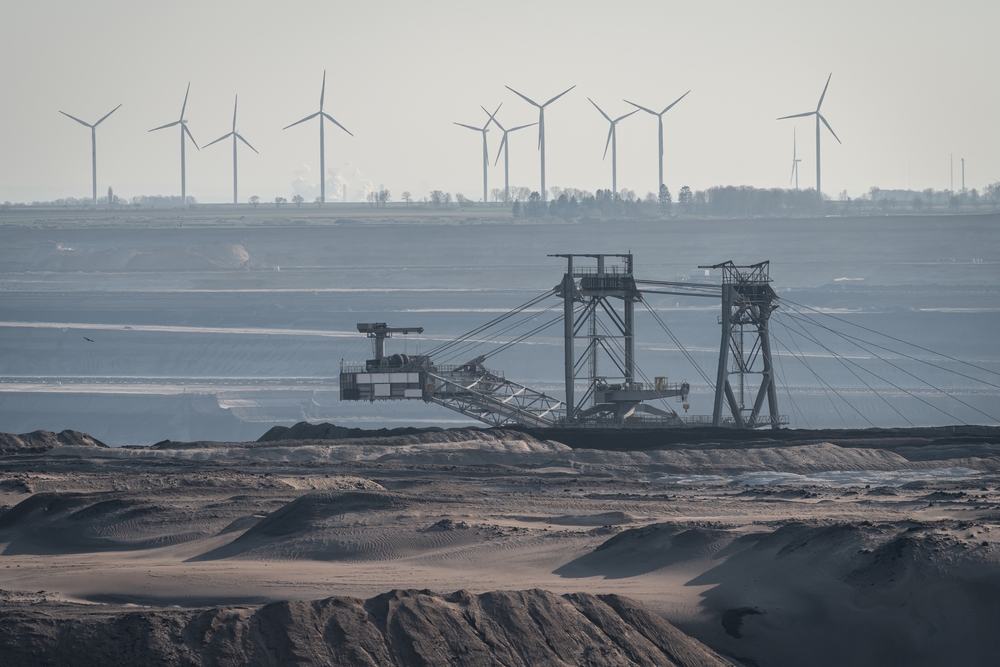
 Tariffs and trade rules are no longer background noise for clean energy—they are now directly shaping project costs, schedules, and bankability across solar, wind, storage, and transmission. Recent and proposed duties on imported modules, batteries, steel, aluminum, and grid gear are pushing equipment prices higher and tightening availability, especially where manufacturing is concentrated in a handful of countries. For project developers and EPCs, that means procurement risk has become project risk.
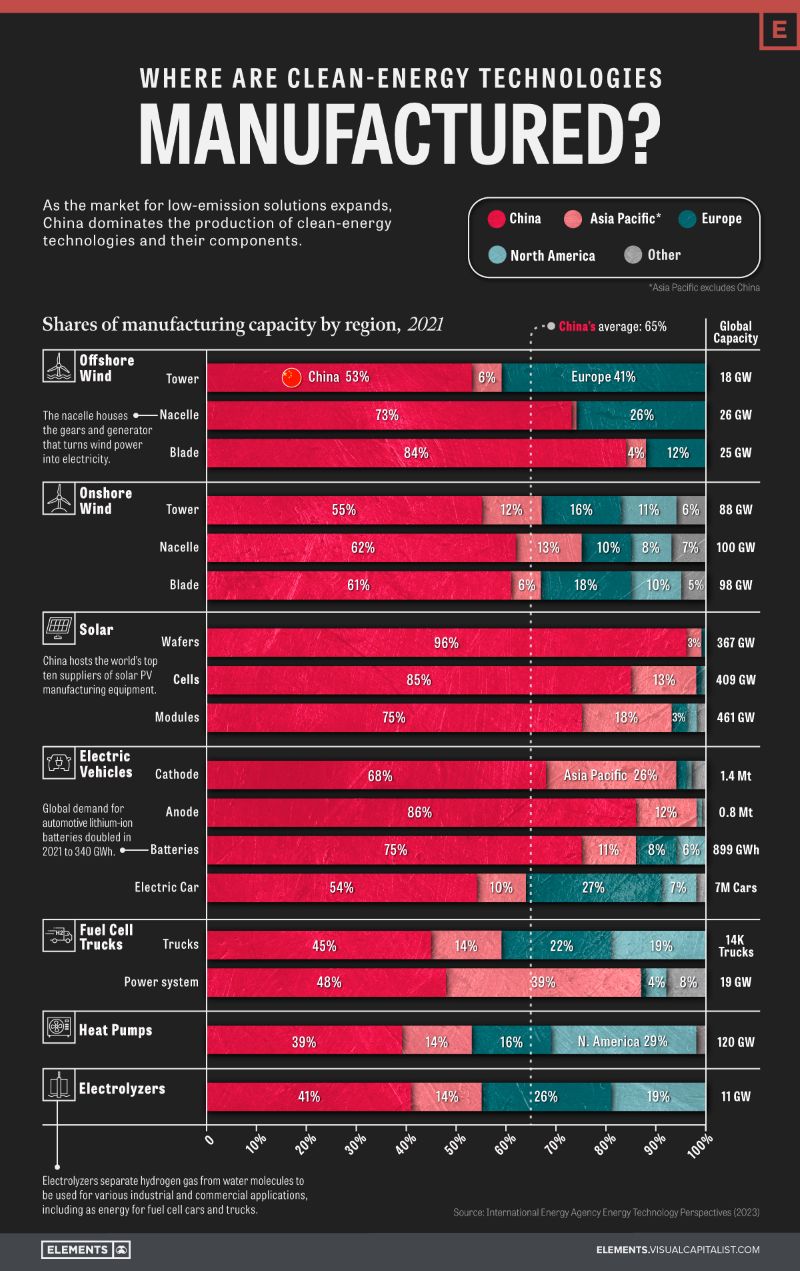
The most exposed projects are those built around technologies with highly concentrated supply chains. Conventional PV and some wind components are good examples. A large share of global module and upstream PV capacity is located in a single country, and rare‑earth‑based generators and certain castings for turbines depend on a narrow group of suppliers. When new tariffs or export controls land, these single‑source strategies can translate almost overnight into double‑digit CAPEX increases, delayed Notice to Proceed, or the need to reopen PPAs and EPC contracts. Many organizations respond by passing costs through where they can, but that slows project uptake and complicates financing.
By contrast, technologies designed from the outset for geographically diversified manufacturing and sourcing are faring better. Supply‑chain analysts consistently find that organizations with distributed, multi‑country supplier networks maintain far greater flexibility under shifting tariff regimes, even though they bear some additional complexity in quality control and logistics. In practical terms, diversified supply lets developers and EPCs reroute orders, rebalance supplier allocations, and preserve delivery schedules—rather than putting projects on hold, raising prices or accepting shorter margins.
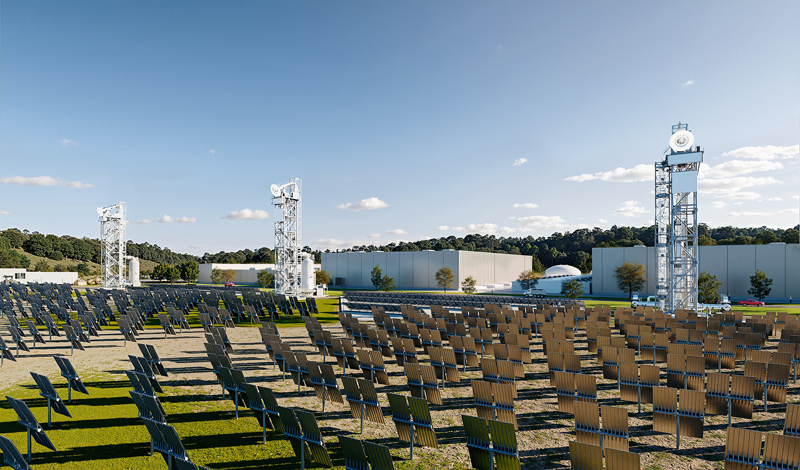
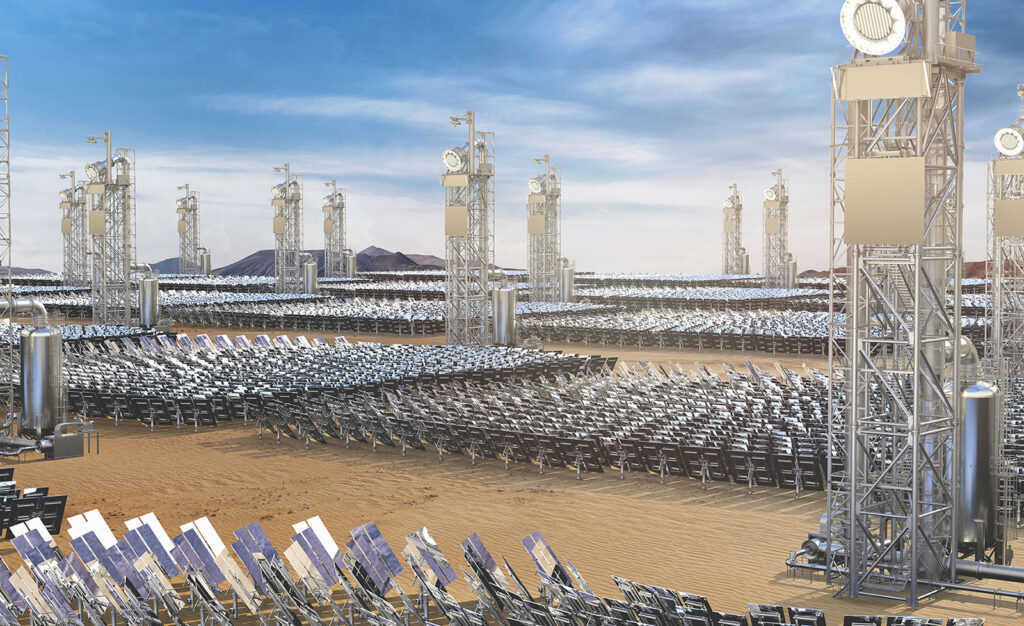
This is the context in which 247Solar’s hybrid solar solutions have been intentionally designed. Our factory‑produced, modular CSP‑based systems use standardized components manufactured under license, virtually all of which can be produced in multiple countries and sourced from multiple suppliers. Because our systems are modular and factory‑built, rather than heavily customized on site, they are well suited to a distributed manufacturing model where licensees can serve regional markets with common designs and interchangeable parts. That architecture reduces exposure to any single trade lane or policy decision, while still allowing local content strategies and regional cost optimization.
This minimizes supply chain risk:
- Our customers are not tied to one country’s factory for critical components, making it easier to navigate targeted tariffs or changing sourcing rules.
- Standardization simplifies qualification of multiple licensees and suppliers, helping maintain bankability while diversifying sourcing.
- Modular, factory‑produced units ease assembly and shorten on‑site construction windows.
At 247Solar, we realize the need for more resilient, less tariff‑exposed supply chains. As tariffs, sourcing rules, and domestic‑content incentives continue to evolve, technologies that can be manufactured flexibly across multiple regions allow projects to keep building profitably, even when policy headwinds pick up.
Read more.
ROUND-THE-CLOCK CLEAN CLEAN ELECTRICITY AND HEAT
400kWe 247Solar Plants deployed at scale
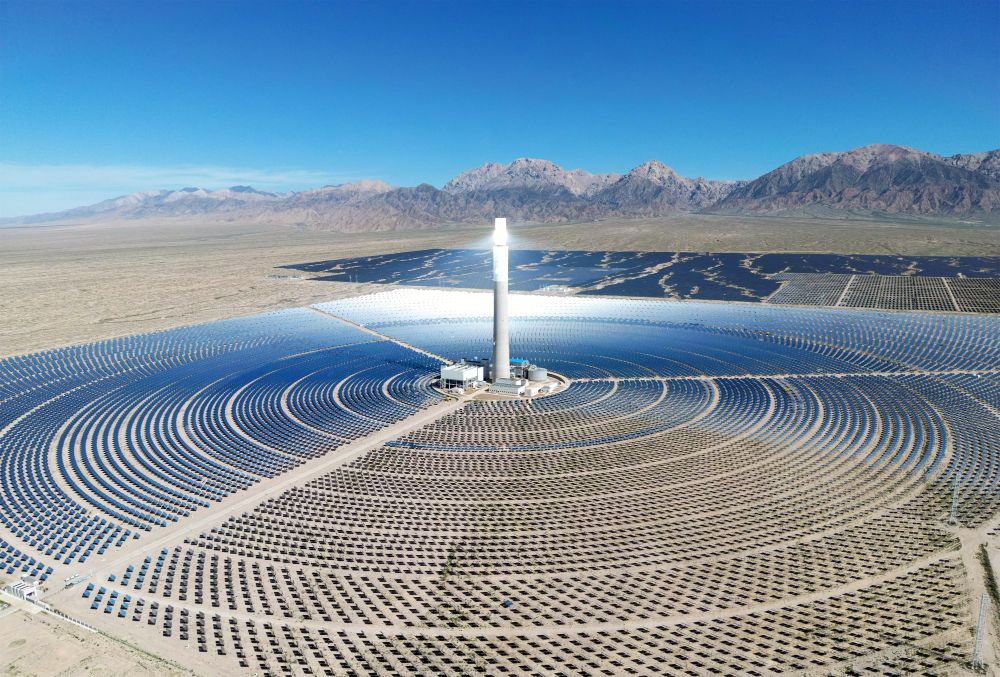
247Solar Plants™ bridge the gap between conventional wind and solar and the need for round-the-clock utility power and industrial-grade heat. 247Solar Plants store the sun’s energy as heat instead of electricity, for 18 hours or more, at much less than the cost of batteries. No generators are required, and 247Solar’s turbines can also burn a variety of fuels, including hydrogen, to ensure 24/7/365 dispatchability.
Extensive Applications
On-grid or off-grid, 247Solar Plants offer a 24/7 alternative to fossil fuels for a broad range of applications:
- Industrial CHP: 24/7 low-carbon Combined Heat & Power for industry
- Data Centers: 247Solar’s hybrid clean solutions are ready to power your data centers as soon as you can build them. 247Solar’s solutions provide both electricity and chilling in a single turnkey package.
- Ultra Heat: Each 247Solar Plant can provide up to 1,500,000 Btu/hr. of heat at temperatures up 1000℃/1800℉ for industrial processes such as cement, glass, steel making, or minerals processing
- Microgrids: Always-on, emissions-free electricity and heat for islands, mines, communities, facilities
- 24/7 baseload power: 24/7 solar electricity, especially for emerging economies
- Green Hydrogen: 24/7 solar electricity and heat to power electrolysis around the clock
- Green Desalination: 24/7 solar electricity and heat to purify water around the clock
TECHNOLOGY: Why Thermal Storage Belongs Next to Batteries
Electrified Thermal-Solutions
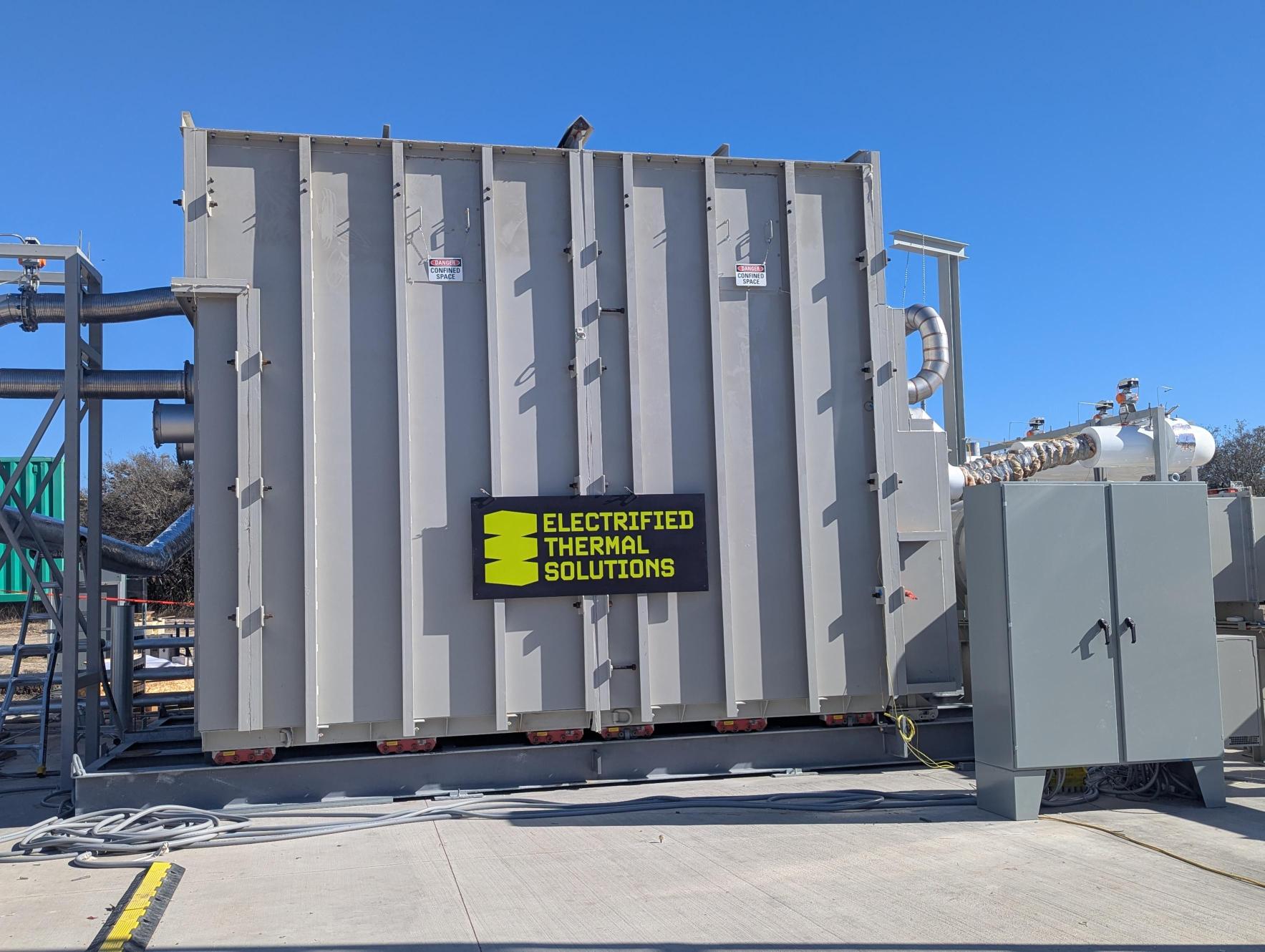
A new generation of high-temperature thermal batteries is poised to expand the role of energy storage beyond electricity-only applications and open a pathway to decarbonizing industrial heat. An article by Canary Media’s Maria Gallucci’s on Electrified Thermal Solutions’ Joule Hive system explains why thermal storage belongs alongside batteries in industrial clean energy systems.
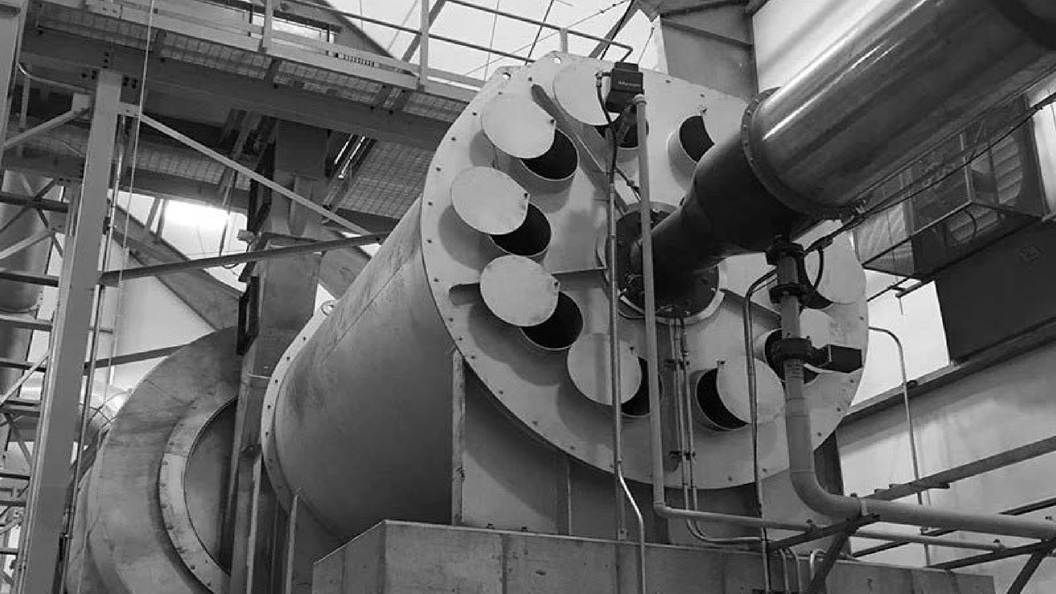
Conventional battery energy storage systems (BESS) excel at fast-response, electricity-in/electricity-out services, but they cannot directly supply industrial process heat. By contrast, Electrified Thermal’s “heat battery” uses electric resistance to charge stacks of metal-oxide firebricks, storing energy as ultra high temperature heat that can be delivered as hot gas or steam to furnaces, boilers, and kilns. This electricity-to-heat architecture allows the same asset to provide firm heat for industry and also regenerate electricity when required.
The Joule Hive unit now operating at Southwest Research Institute in San Antonio can store roughly 20 megawatt-hours of heat at temperatures up to 1,800 degrees Celsius — hot enough to displace fossil-fired heat in virtually any industrial application, including cement, steel, chemicals, and glass. That temperature range is significantly higher than most commercial electric boilers and heaters can withstand, enabling TES to serve hard-to-abate, high temperature processes that are otherwise difficult to electrify.
Gallucci reports that leading industrials such as ArcelorMittal, Holcim, and Vale are already backing this class of technology, seeing an opportunity to bank low-cost solar energy for dispatchability around the clock as both electricity and fossil-free heat. While battery storage is optimized for electrons, high temperature thermal storage uniquely unlocks both electrons and molecules — the superhot air and steam needed to decarbonize industry at scale.
Read more.
POLITICS: Solar and storage win on economics, forcing MAGA pivot
Shutterstock
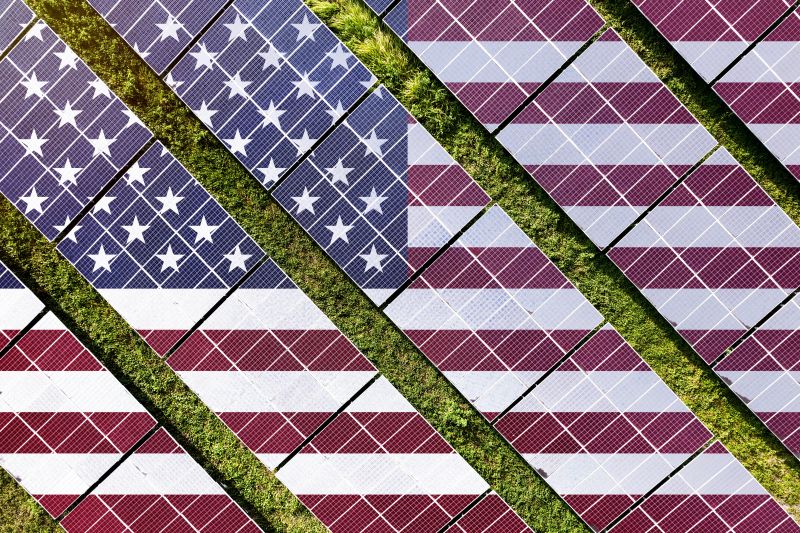
A recent Washington Post article by Evan Halper describes how key Trump-world figures are recalibrating their stance on solar as AI data centers drive a steep increase in electricity demand. Influential conservatives, including Katie Miller and prominent tech allies, now pitch solar plus storage as essential to powering AI, competing with China and keeping household power bills in check, even as they downplay climate arguments.
Halper notes that solar and batteries are expected to provide roughly 79 percent of new U.S. grid capacity this year, with most new projects sited in Republican-led states and about 40 percent in Texas alone. This growth is occurring despite the Trump administration’s efforts to roll back tax credits, weaken federal clean energy programs and privilege gas, coal and nuclear — policies that have raised costs and increased supply risk. Under pressure from conservative governors and voters, the White House has already allowed several previously blocked industrial-scale solar projects in Nevada and other states to move forward.
It appears that economics are beginning to override ideological opposition. AI load growth, utility concerns about reliability and GOP anxiety over rising bills are creating a durable constituency for continued solar and storage build-out, even under a hostile federal policy framework.
Read more.
ENERGY TRANSITION: Replacing Diesel May Be Africa’s Fastest Climate Win
Renewables in Africa
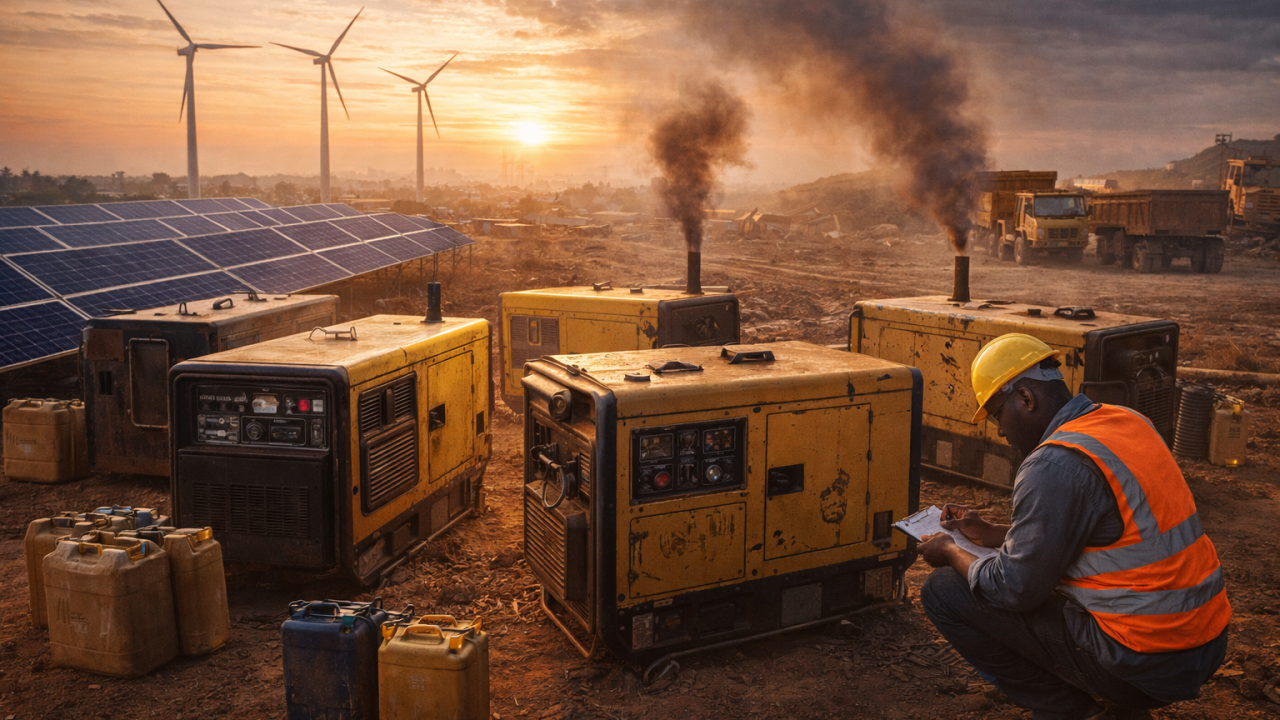
A LinkedIn essay from Renewables in Africa argues that the continent’s true baseload is not its formal grids but millions of diesel generators quietly filling the gaps left by unreliable utility power. From hospitals and telecom towers to mines, malls, and off grid industries, diesel self generation in some countries rivals or exceeds utility capacity — yet it is largely invisible in official planning.
The author explains that diesel persists because it delivers immediacy, control, and independence from unstable grids, but at a steep economic and environmental cost: power that is two to four times more expensive than grid electricity, exposure to volatile fuel prices and foreign exchange risk, and significant local air pollution. In this framing, replacing diesel is not a marginal clean energy play but one of Africa’s largest decarbonization opportunities, especially where grids are weak and industrial users already pay high operating costs.
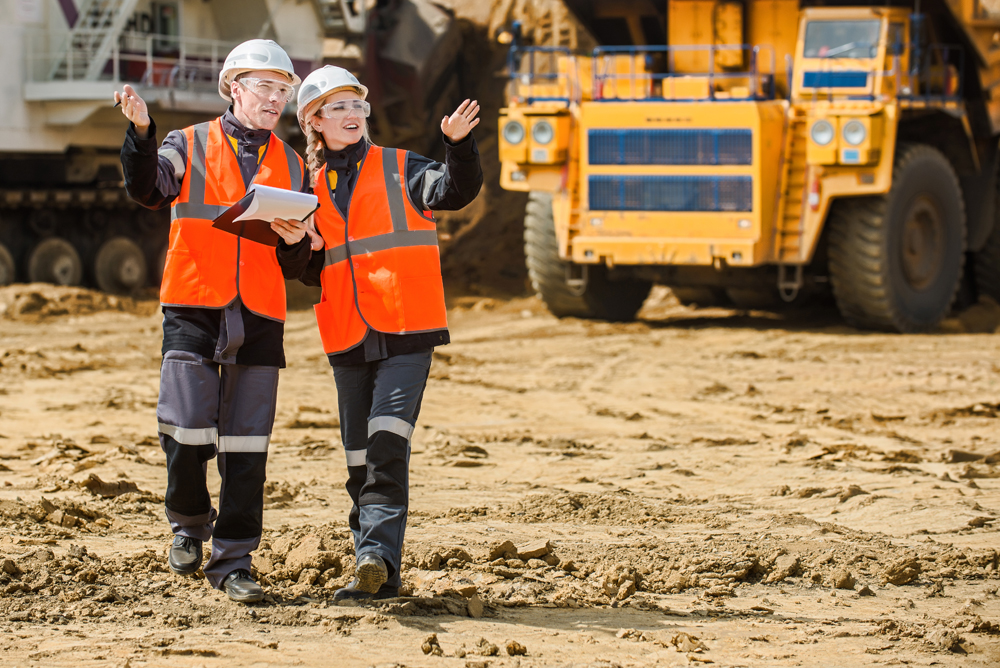
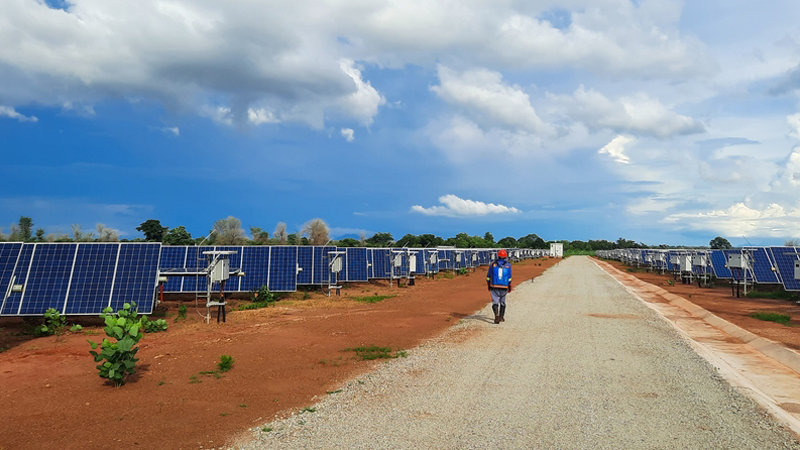
For off grid mines and C&I users on unreliable networks, the article highlights that solar plus storage hybrids are now delivering cheaper lifetime electricity, in many cases cutting diesel consumption by 40–80 percent with paybacks under five years. In mining, agriculture, and manufacturing, the business case is clear. The bottlenecks are now financing structures, execution capacity, and policy alignment.
The piece concludes that energy storage is the critical enabler: solar alone cannot fully displace diesel, but solar plus storage and smart controls can turn volatile fuel spending into predictable infrastructure investment.
Read more.
FOLLOW & JOIN 247Solar
Contact: info@247solar.com