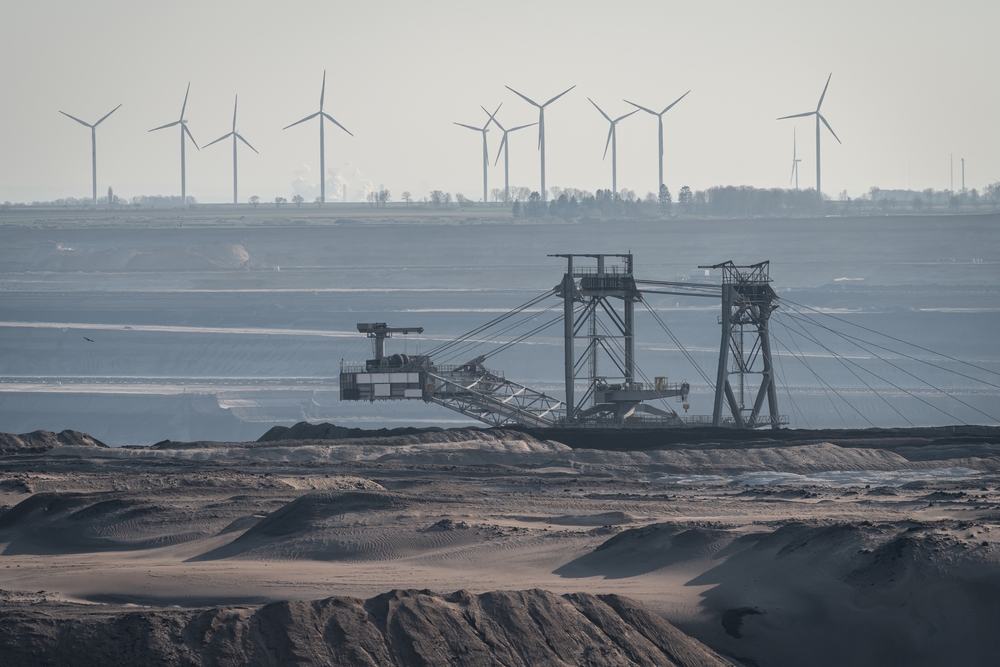

IRAN WAR: RISKS AND OUTLOOK FOR MINERS
The Iran war is reshaping mining by driving up costs and exposing structural vulnerabilities across global supply chains. A recent analysis in Mining Technology argues that the primary impact is being transmitted through higher oil prices, shipping disruption at chokepoints like the Strait of Hormuz, rising marine insurance premiums, and mounting uncertainty around logistics for industrial inputs and refined metals. For miners, this translates directly into sustained pressure on operating and processing costs.
The authors note that the Strait of Hormuz handled roughly a quarter of global seaborne oil trade in 2025, making any disruption to this corridor a global event for both energy and materials flows. As security risks rise, mining companies face higher fuel bills, longer and less predictable shipping times, tighter freight availability, and elevated insurance costs for bulk commodity cargoes.
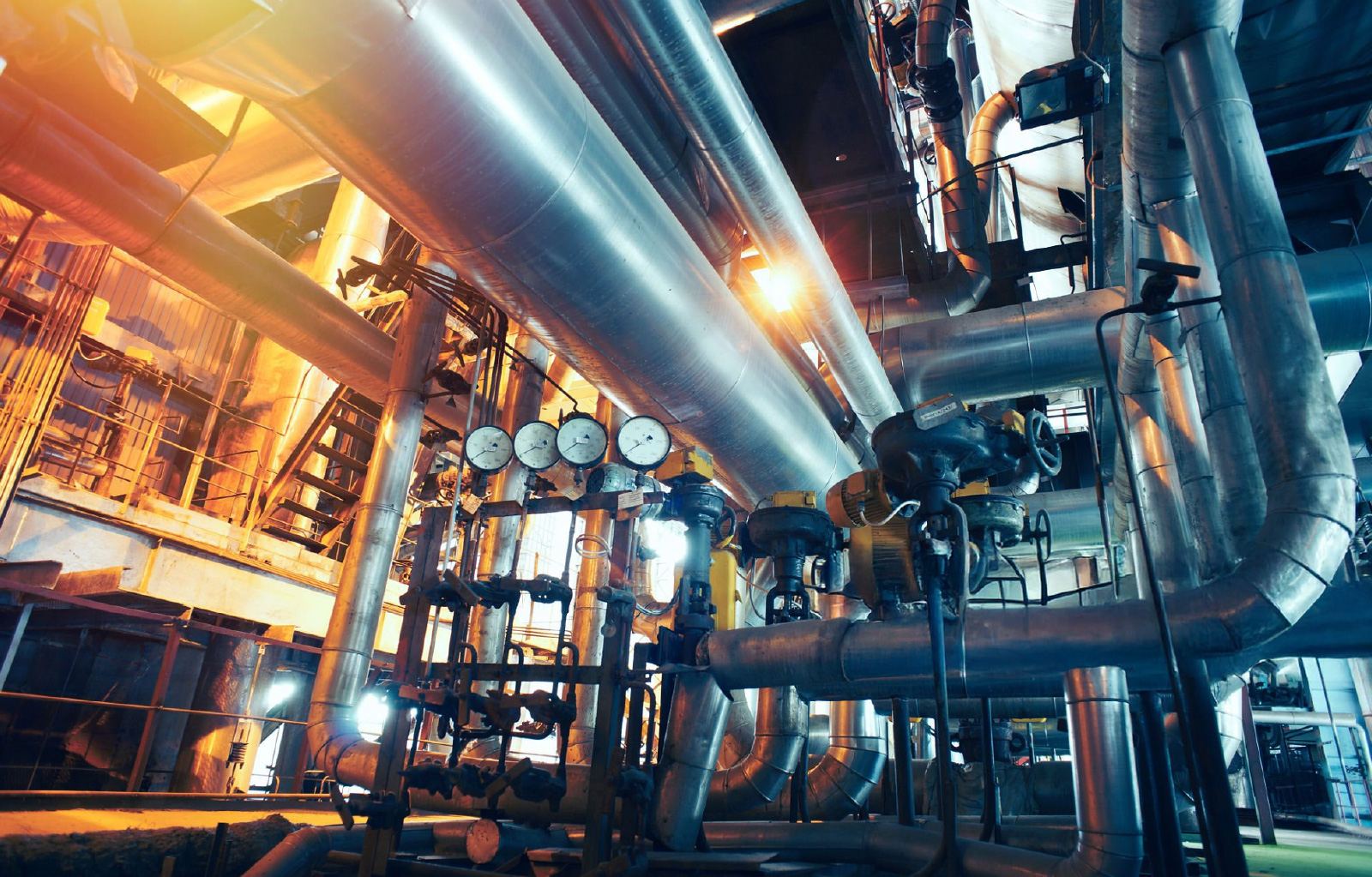
These shocks are especially acute for energy‑intensive processing assets such as aluminum smelters, copper smelters, and steel plants, which are highly sensitive to electricity availability, imported feedstock, and uninterrupted logistics. Recent attacks on Gulf smelting infrastructure underscore that processing and refining—not mines themselves—are emerging as the most immediate points of failure in the current crisis.
Thus, the authors write, the conflict is reinforcing an existing structural weakness: mining supply chains remain heavily exposed to concentrated trade routes and volatile fossil fuel markets. This means, they suggest, that the industry is likely to respond with a stronger strategic push toward supply diversification, localized processing, renewable power integration, and reduced diesel dependence as part of a broader investment in operational resilience.
Diesel dependence looms large
For mining operators, the diesel issue is particularly stark. Iron ore mining, for example, is described as “highly diesel‑intensive” across extraction, hauling, and transport, meaning that sustained increases in oil prices feed straight through to higher unit costs and thinner margins. When those fuel costs are compounded by shipping delays and rising insurance premiums linked to disruption in and around Hormuz, miners are squeezed from both sides.
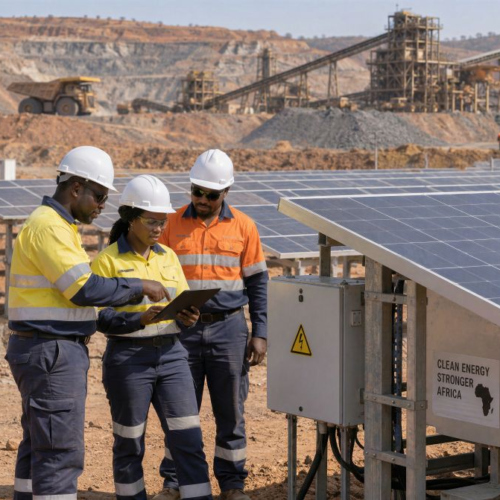
The article notes that this environment is “reinforcing the longer‑term shift toward electrification as companies look to de‑risk their cost base and reduce exposure to oil price volatility.” This points to a clear opportunity for mining companies to rethink their on‑site energy strategies, and this is precisely where 247Solar’s solar thermal technology can fit in.
By shifting from imported diesel and grid‑delivered fossil power toward locally produced, dispatchable renewable energy, miners can:
- Stabilize a major portion of operating costs by decoupling from oil price shocks and marine chokepoints
- Improve resilience of critical processing assets that depend on reliable power and heat;
- Advance decarbonization commitments without sacrificing reliability in remote or off‑grid locations.
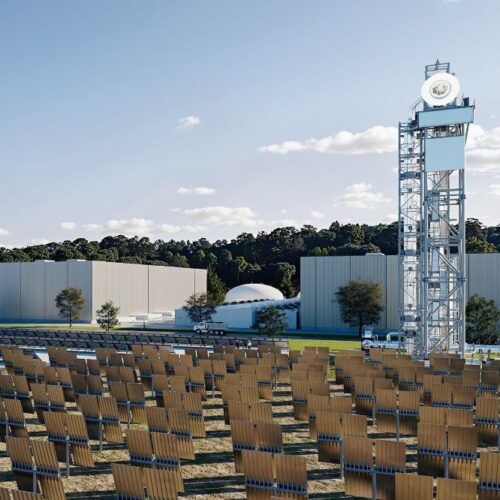
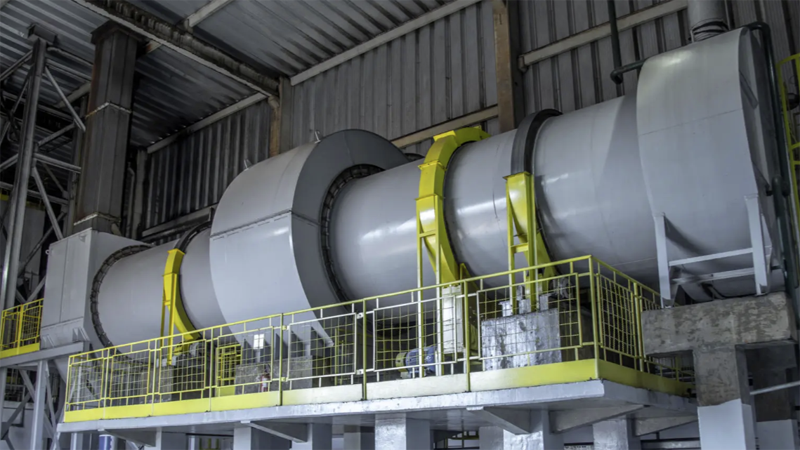
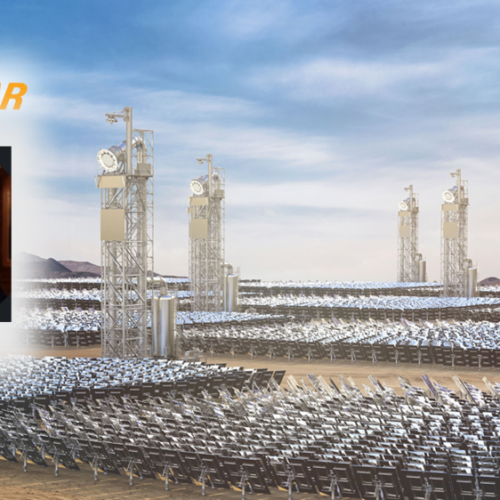
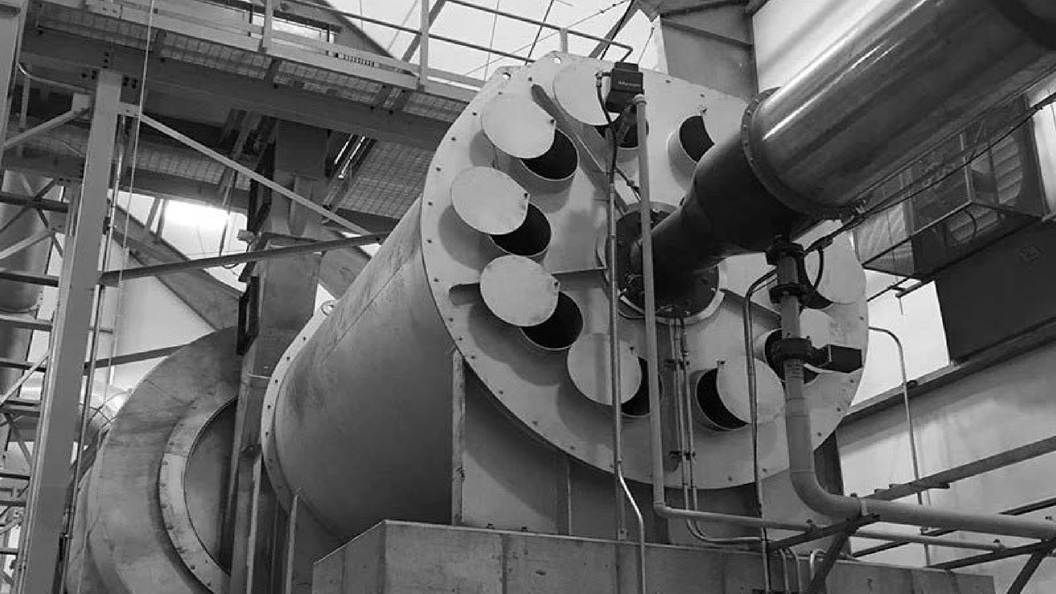
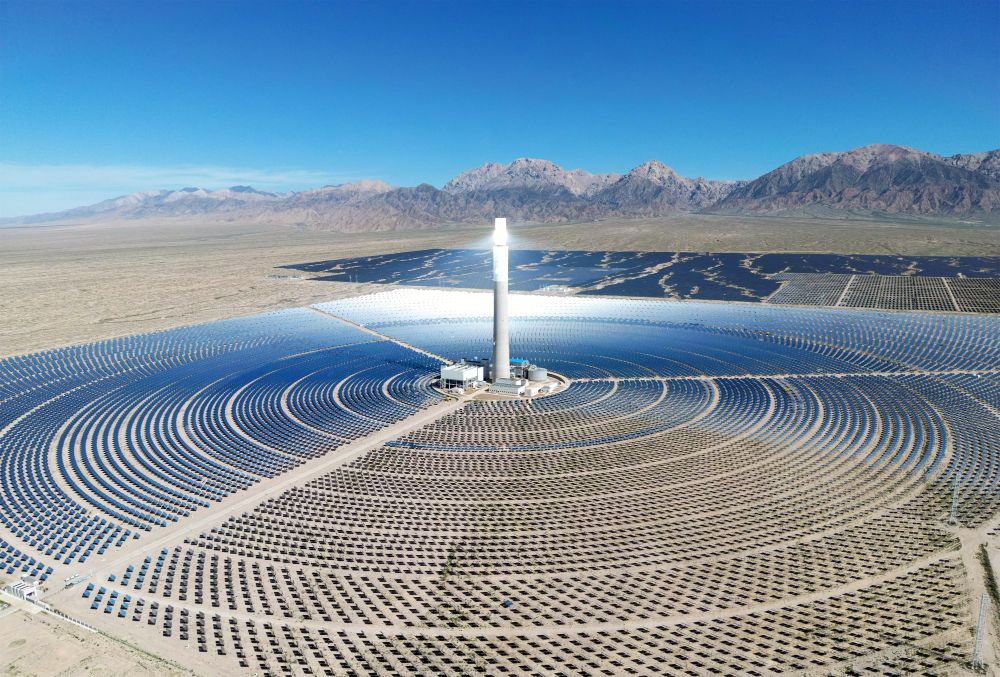
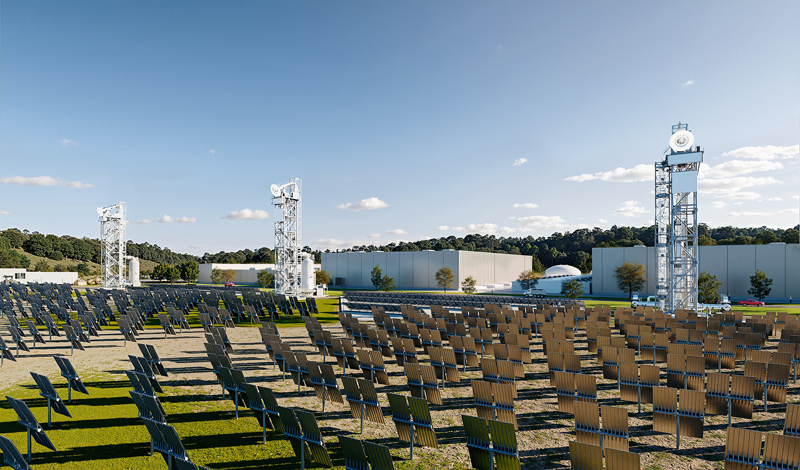
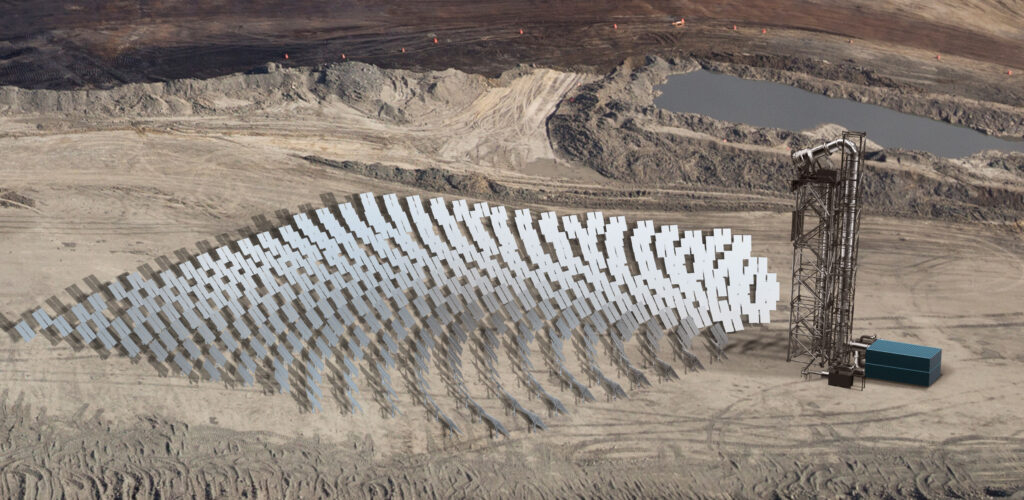
247Solar’s modular, tower‑based systems use sun‑tracking heliostats to heat air to around 1,000°C, drive turbines to generate electricity, and store thermal energy in solid materials for use when the sun is not shining. Each unit can provide both round‑the‑clock clean electricity and industrial‑grade process heat—up to about 970°C—for applications such as mineral processing and drying. The systems are factory‑built, scalable, and well‑suited to remote mines, either as standalone microgrids or in combination with PV and wind.
Unreliable fossil fuels
Critics of renewables often say, “the sun doesn’t always shine,” but the Iran war demonstrates is that fossil fuels are intermittent in a far more dangerous way—they can be turned off deliberately anywhere along a long, fragile supply chain. By contrast, the “fuels” for solar and wind are domestic, inexhaustible, and immune to embargoes or blockades. And once built, renewable assets offer highly predictable operating costs with no equivalent of a sudden doubling of sunlight prices.
For mine operators navigating the supply‑chain and energy‑price risks in a volatile new world, the strategic question is whether they want to keep renting access to fuels that can be weaponized—or harvest free resources that cannot. Integrating dispatchable renewable systems like 247Solar’s offers a practical pathway to reduce diesel dependence, protect margins, and build the resilient, low‑carbon operations that the current crisis demands.
Read more.
ROUND-THE-CLOCK CLEAN HEAT AND POWER FOR MINES WITH NO ADDITIONAL CAPITAL COST
247Solar builds, owns and operates our hybrid solutions and sells round-the-clock clean heat and power on a PPA basis. Mines pay only for the energy they use with no additional capital cost and no risk.
We remove the burden of ownership by assuming all responsibility for operations, maintenance, insurance and repair. We guarantee energy delivery – redundant systems ensure reliability and eliminate the need for gensets.
Here’s what that means for miners:
- Reduced energy costs by 25% or more
- Stable, predictable energy prices for decades
- Lower operating costs per ton
- Increased competitiveness
- Longer life-of-mine
Get in touch to learn more
BDO: ENERGY TRANSITION DRIVES A NEW ERA FOR MINING
BDO
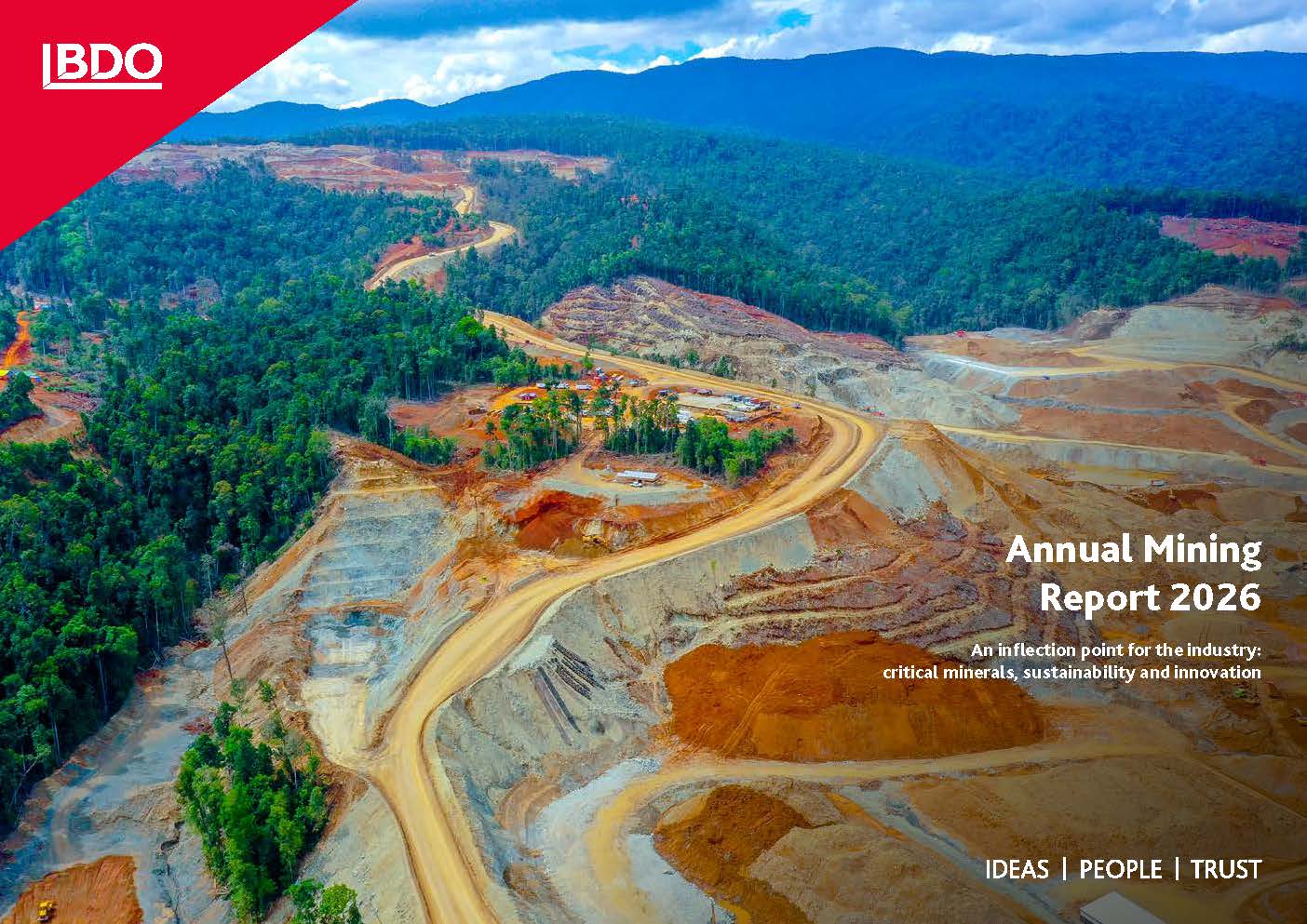
The accelerating energy transition is no longer just reshaping commodity demand. According to BDO’s Annual Mining Report 2026, it is fundamentally redefining what it takes for miners to stay competitive, investable, and secure over the next decade.
On the market side, the report underscores that demand growth is increasingly concentrated in “transition metals” – copper, lithium, nickel, cobalt, graphite, rare earths and certain high purity iron ore products linked to green steel¬ – commodities that sit at the heart of electrification, batteries, renewables, and data center build out. Traditional bulk commodities are still important, but the growth narrative, and much of the capital, is shifting toward materials that enable decarbonization.
At the same time, BDO highlights that investor and customer expectations have changed materially. Major OEMs, battery manufacturers, and utilities are under intense pressure to demonstrate low carbon, ethically sourced supply across their value chains. They are increasingly screening suppliers not just for volume and cost, but for emissions intensity, resilience to geopolitical shocks, and the credibility of their transition plans. For miners, this means that high emissions production—even of “hot” transition metals—faces growing commercial risk. Low carbon operations, by contrast, can command premium contracts, preferred offtake status, and more patient capital.
Production and consumption both matter
BDO’s message is that the energy transition is not only about what miners produce, but how they power their own operations. The report notes that many mines still rely heavily on diesel for power generation and mobile equipment, and on coal or gas dominated grids for electricity. With fuel price volatility, mounting carbon costs, and tightening ESG scrutiny, that model is increasingly exposed.
The report identifies a set of emerging best practices among leading operators:
- On site renewables and microgrids – Growing deployment of solar, wind, and hybrid microgrids—often paired with battery or thermal storage—to reduce diesel burn, stabilise power costs, and improve reliability at remote sites.
- Electrification of mining fleets and processing – Progressive replacement of diesel haul trucks and auxiliary equipment with electric or hydrogen ready alternatives, combined with increasing electrification of crushing, grinding, and materials handling.
- Long term renewable PPAs and partnerships – Miners securing long term contracts with renewable IPPs or investing directly in generation assets to lock in predictable, low carbon power for energy intensive operations.
BDO also stresses that regulatory and financial signals are converging. Governments are moving toward stricter carbon pricing and disclosure regimes, while lenders and insurers are tightening requirements for high emissions assets. This, the report argues, raises the “risk adjusted cost of fossil energy” for miners and strengthens the business case for non fossil alternatives. Companies that move early to adopt cleaner, more autonomous energy systems are likely to enjoy lower long term operating costs, reduced risk premia, and a stronger social license to operate.
Read the full report here.
US LAUNCHES $500M INITIATIVE TO BOOST CRITICAL MINERALS PROCESSING
Nordroden/Shutterstock
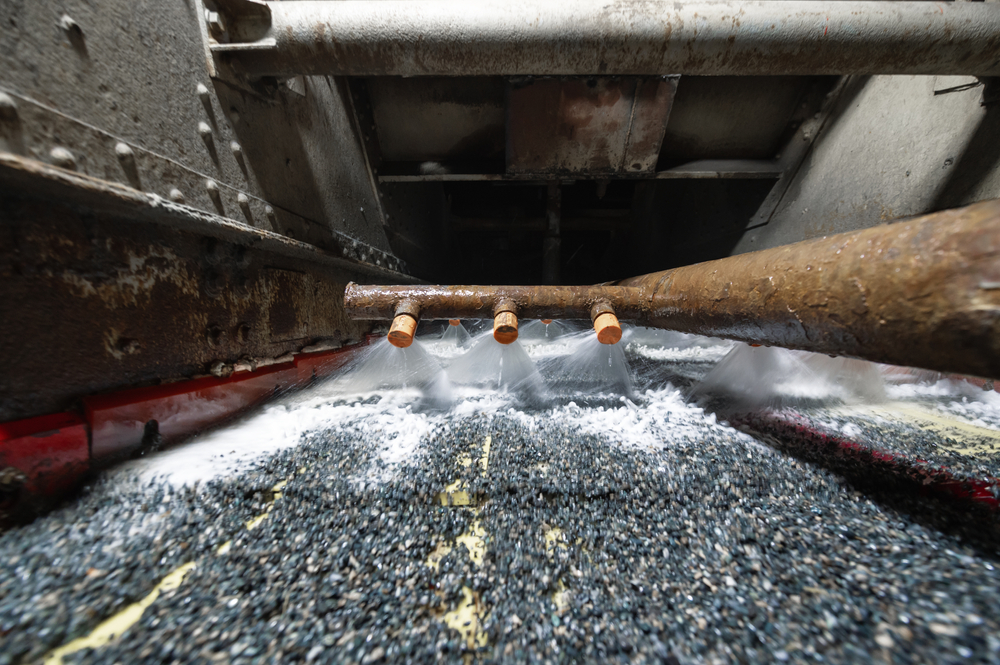
Mining.com reports that the US Department of Energy (DOE) plans to provide up to $500 million in funding to expand domestic critical minerals processing and battery materials manufacturing and recycling, as Washington seeks to reduce reliance on foreign supply chains.
The funding opportunity, issued by the DOE’s Office of Critical Minerals and Energy Innovation (CMEI), seeks to support demonstration and commercial-scale facilities that process or recycle critical materials used in batteries and energy technologies.
The initiative targets minerals such as lithium, graphite, nickel, copper and aluminum, along with other materials contained in commercial battery systems.
The DOE’s Notice of Funding Opportunity addresses three topic areas with the goal to develop demonstration and commercial facilities that increase the domestic supply of critical minerals and materials for advanced battery technologies.
- Critical minerals and materials processing – domestic facilities that process key critical materials from raw feedstocks;
- Battery materials and component manufacturing – production of cathode/anode materials and other advanced battery components;
- Critical materials recycling – projects that recover and re introduce critical minerals from spent batteries and other end of life products.
The funding call represents the third round of financial support under DOE programs focused on battery materials processing and battery manufacturing and recycling. The move is part of a broader push by Washington to rebuild domestic critical mineral supply chains, which are currently dominated by overseas processing hubs, particularly in China.
Read more.
CASE STUDY: ECONOMIC FORCES DRIVING SOUTH AFRICA’S RENEWABLES TRANSITION
Discovery Alert
South Africa offers a concrete case study of how the pressures described in BDO’s Annual Mining Report 2026 are already reshaping real operations on the ground.
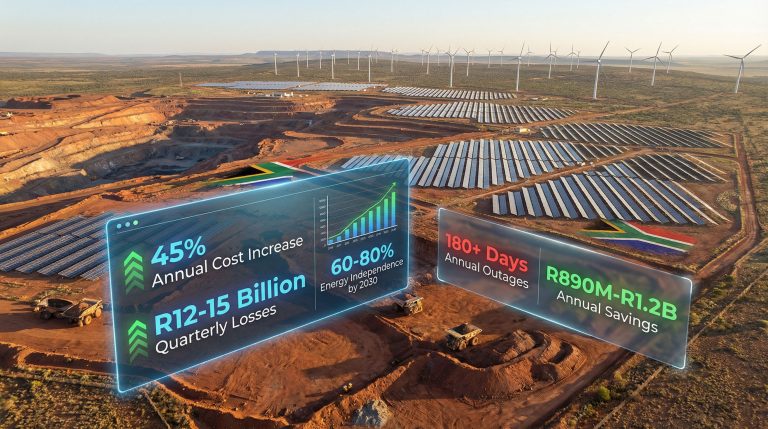
Discovery Alert reports that several South African mines across platinum, iron ore, and diamonds are moving decisively to on site solar and wind generation to address three interlinked challenges: chronic grid unreliability, escalating electricity tariffs, and intensifying investor and customer scrutiny of carbon footprints. In doing so, they are acting on the same imperatives BDO identifies: securing access to low carbon, cost stable power and reducing dependence on diesel and unreliable fossil fueled grids.
The operations surveyed by Discovery Alert are deploying hybrid renewable systems and microgrids, in some cases sized at tens of megawatts, that can cover a significant share of mine load while providing resilience against South Africa’s well documented load shedding and transmission constraints. The mines are targeting reductions in grid purchases and diesel backup use, cutting exposure to both price spikes and supply interruptions to stabilize their energy costs and de risk operations.
Equally important, these projects are being justified on core financial and strategic metrics—lower life cycle energy costs, improved uptime, and enhanced ESG performance. In short, how these mines are embracing renewables is a live demonstration of BDO’s thesis that the transition in what miners produce and the transition in how they power themselves are now inseparable drivers of value and risk.
Read more.
FOLLOW & JOIN 247Solar
LinkedIn US, LinkedinEU, Twitter, YouTube
Contact: info@247solar.com