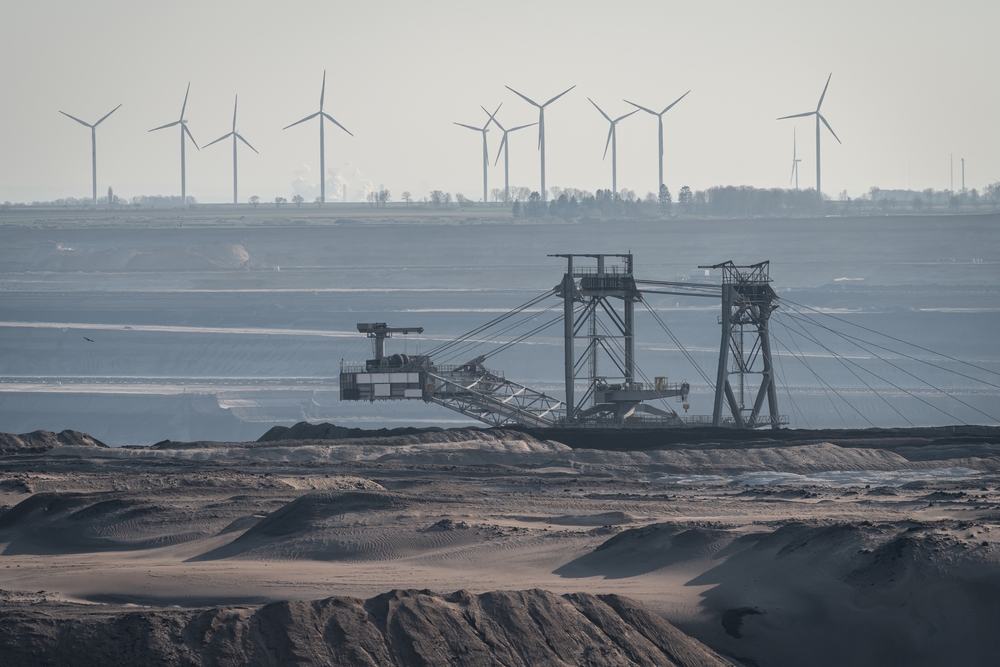

SOLAR HEAT AND THE NEXT STEP IN MINING VALUE CREATION
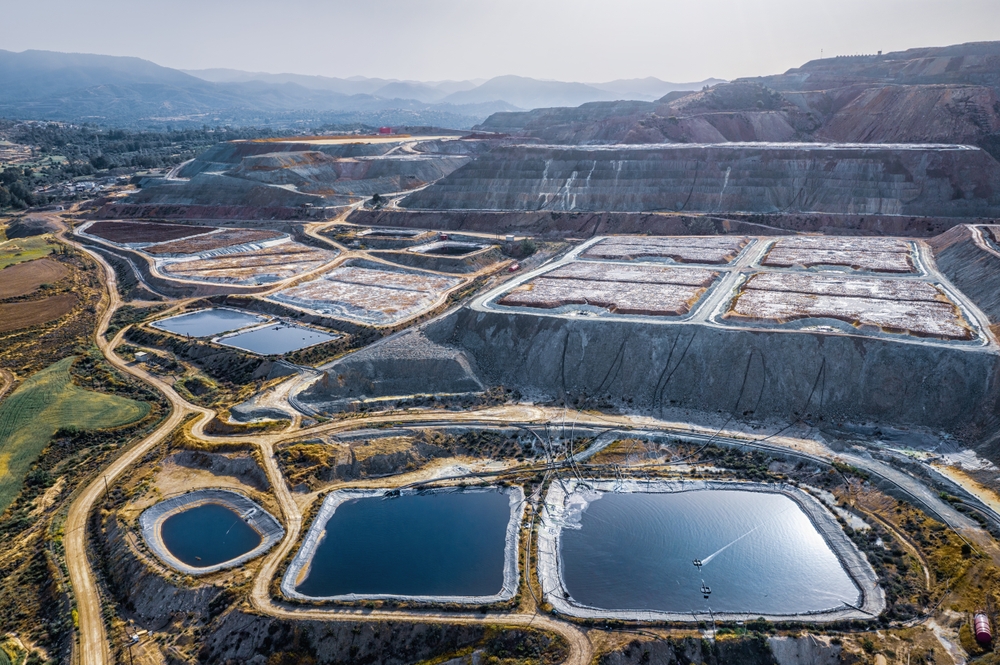
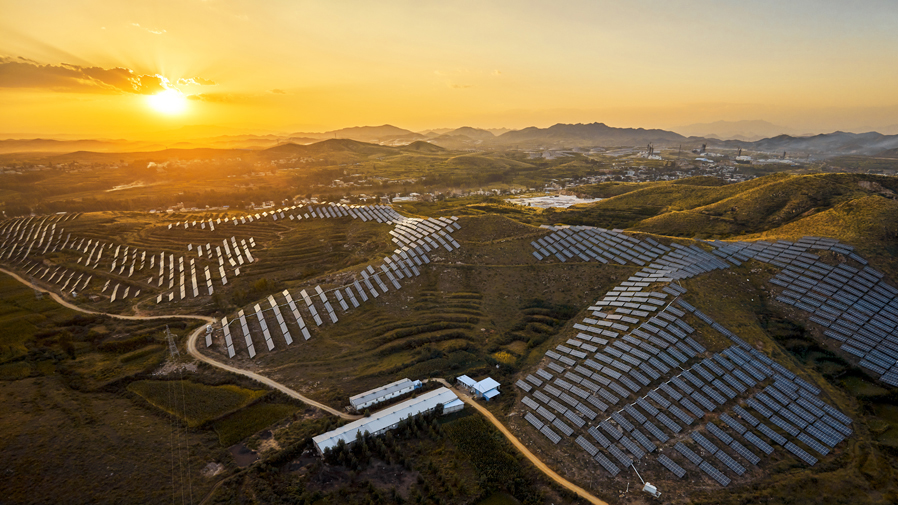
Anna Kucherova – Shutterstock
Process heat for drying, leaching, calcination, and auxiliary plant services has traditionally come from diesel, LPG, fuel oil, or coal-fired systems, and replacing those fuels requires either electrification of the heating process or a direct thermal substitute. Industry research identifies process heat as a major barrier to deeper decarbonization in mining precisely because it touches the operations most closely linked to ore value and processing yield.
That barrier is also an opportunity. Where a reliable, continuous source of renewable heat can be introduced, it does not simply cut emissions — it can change the economics of what a mine does with its ore.
Drying: the most direct application
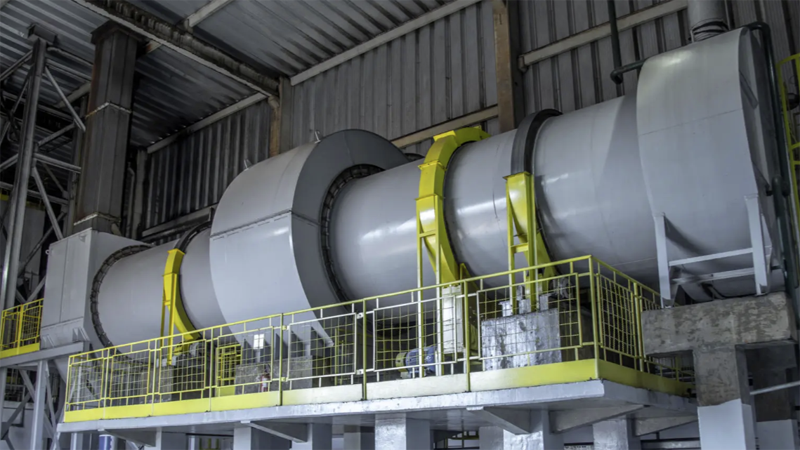
Moisture removal is among the most straightforward matches for renewable thermal energy. Many mines must dry ore, concentrates, or filter cake before transport or downstream treatment. Wet concentrate carries more weight, incurs higher freight costs, and creates handling problems at port and smelter. A continuous supply of hot air integrates directly with rotary, flash, or fluidized-bed dryers, delivering the same function as conventional direct-fired systems while eliminating the fuel cost and logistics exposure.
The economic logic is immediate: less moisture means lower transport cost per unit of contained metal, fewer penalties at the point of sale, and reduced dependency on fuel deliveries that are subject to price spikes and supply disruptions.
Leaching: temperature as a recovery lever
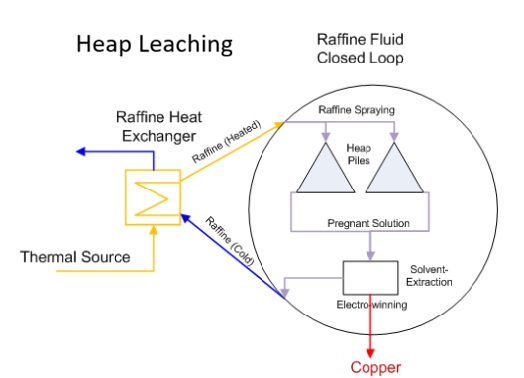 For copper, gold, and similar operations, solution temperature in heap or tank leaching materially affects reaction rates and metal recovery. In colder climates and at high elevations — where many of the world’s significant undeveloped deposits are located — maintaining favorable leach temperatures with conventional fuel is a significant operating cost. Hot air converted through air-to-liquid heat exchangers into heated process water or leach solution can address that problem directly.
Better temperature control shortens leach cycles, improves recoveries, and makes lower-grade resources more economic. That last point matters strategically: it can shift the cut-off grade calculation for a deposit, potentially expanding the economic resource and extending mine life without additional capital expenditure on ore bodies.
Steam, hot water, and integrated plant services
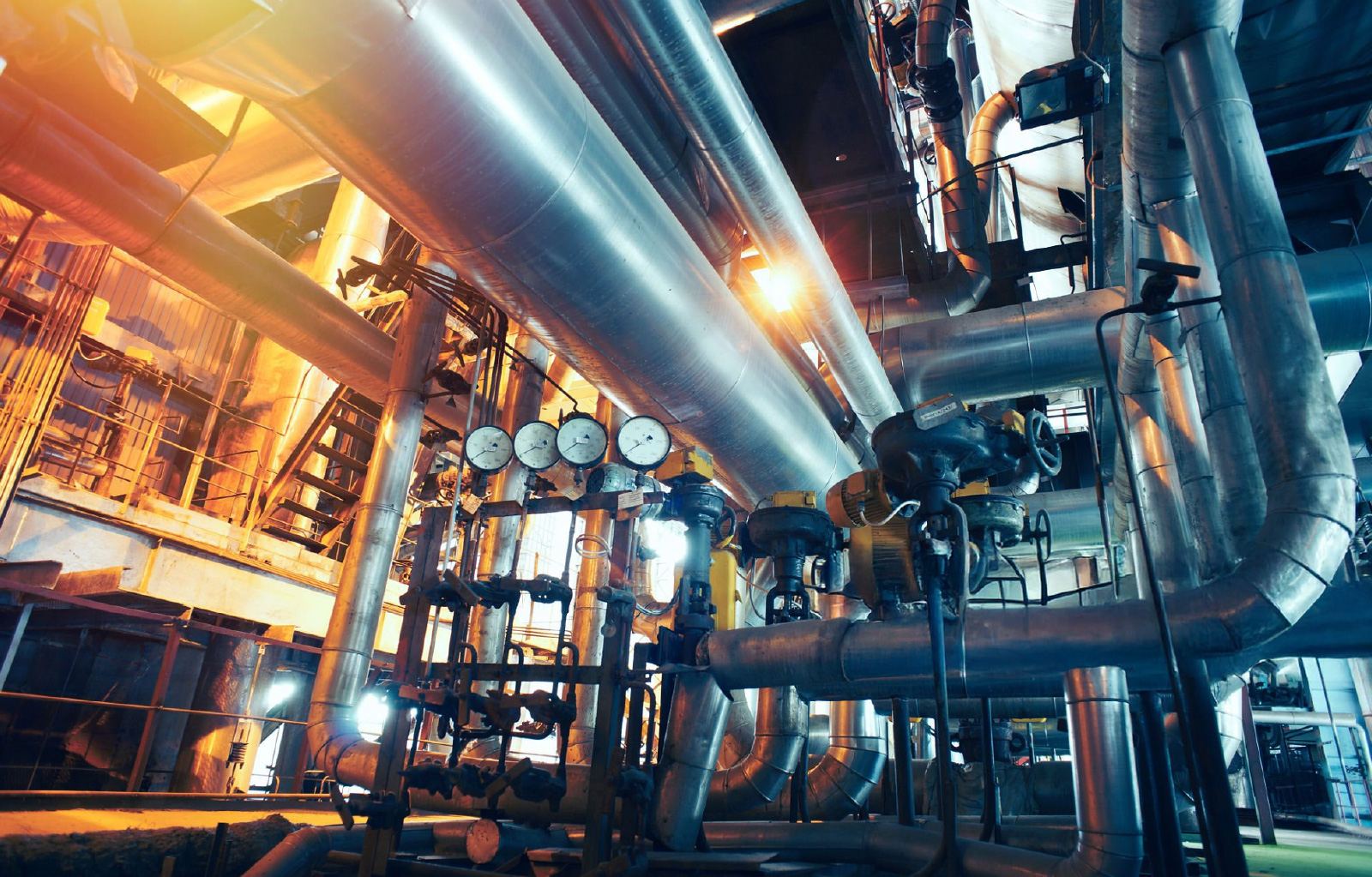
Renewable hot air can also be used to produce steam or hot water through standard industrial equipment, supplying the heat that plants need for processes like solvent extraction, electrowinning, and acid production. Availability of these utility services can determine whether a mine can run a more complete operation on site at all. For a remote mine, the ability to process ore locally depends just as much on having reliable, affordable heat as it does on the ore itself. When that heat comes from a renewable source rather than fuel trucked or flown in, operations that previously had no choice but to ship raw ore become candidates for doing more — and earning more — before anything leaves the site.
Calcination and roasting: the higher-value opportunity
At the upper end of the temperature range, calcination and roasting convert bulk mineral material into more valuable intermediates — the step that can define whether a project is a bulk commodity producer or a higher-margin specialty material supplier. These operations are among the most energy-intensive in the mineral value chain, but they are also the ones where the value add from on-site processing is most significant.
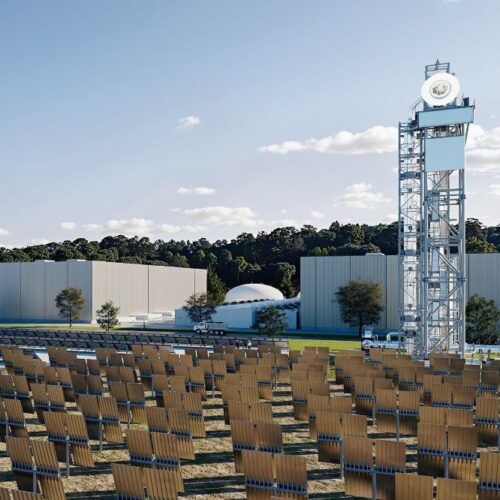
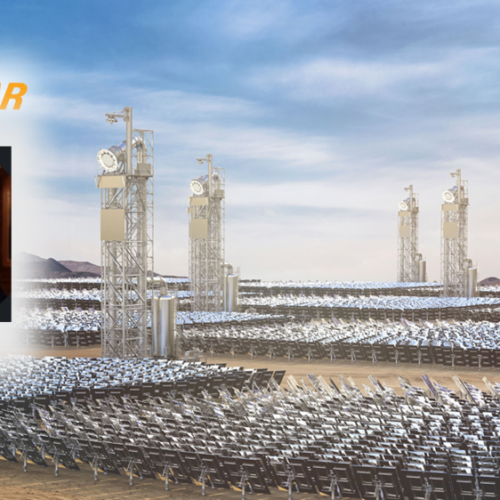
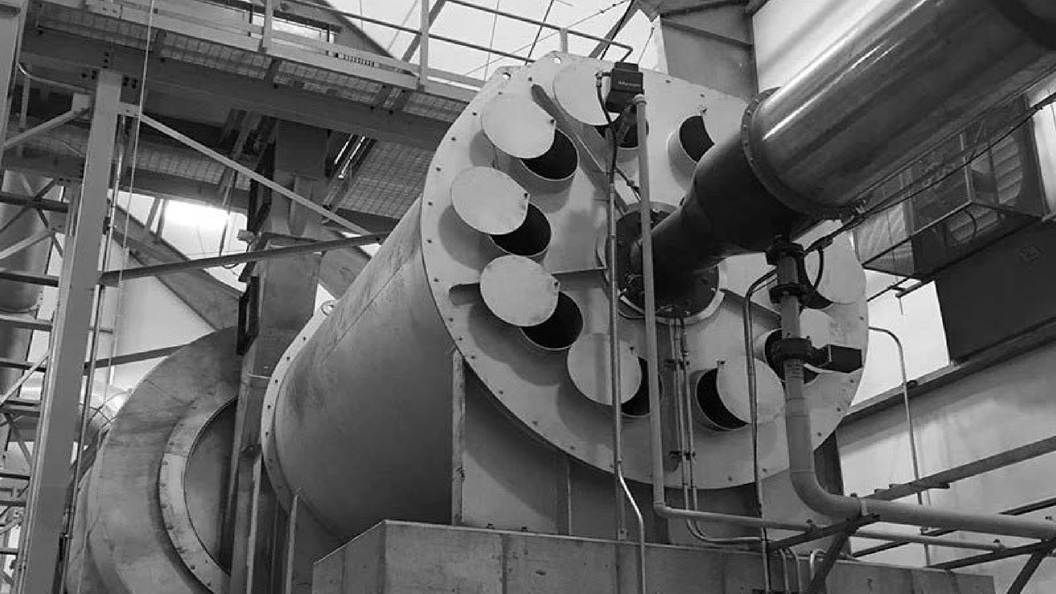
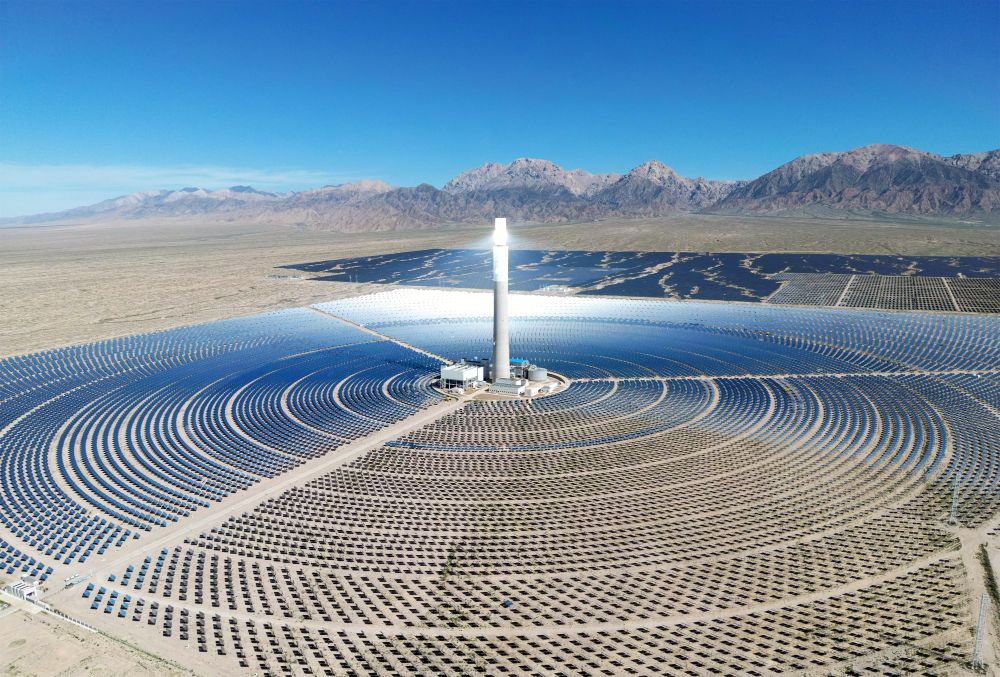
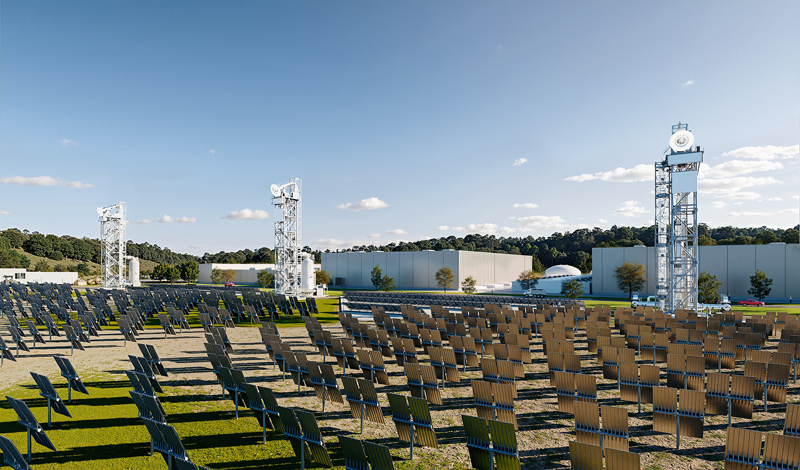
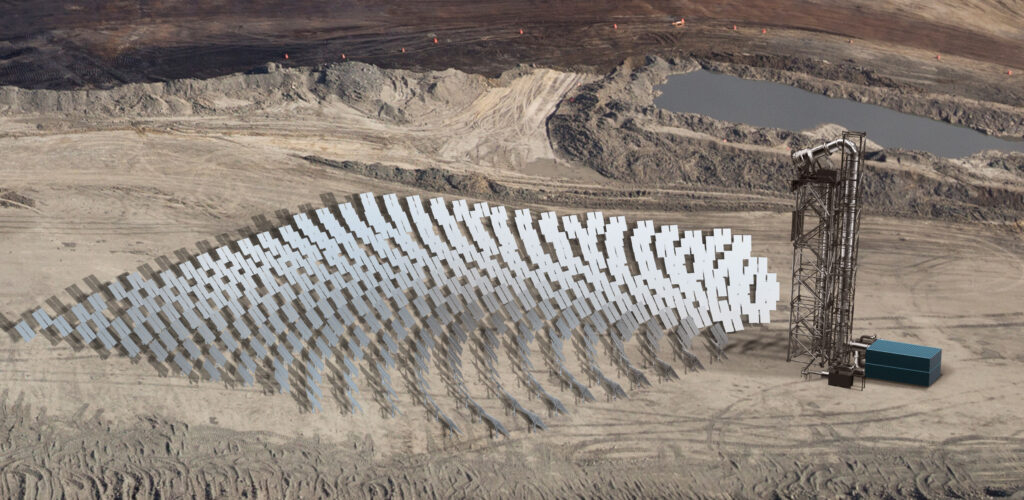
Concentrated solar thermal technologies like 247Solar’s are capable of supplying temperatures relevant to these operations. Renewable hot air can function as a preheated combustion air stream in kiln and roaster systems, reducing fossil fuel demand while preserving the operational flexibility that metallurgical processes require.
Where the economic advantages accumulate
For mine operators, the case for renewable industrial heat rests on three layers of value. First, direct operating savings from replacing transported fuels. Second, process performance gains — faster kinetics, improved recoveries, steadier plant operation — when thermal processes can be held in their preferred range. Third, and often most important, the strategic value of a more processed product at the gate: dried concentrate instead of wet, leached metal instead of ore, upgraded intermediate instead of partially processed feedstock.
These advantages are most pronounced at remote mines with long transport distances, limited grid access, and high fuel costs — which is also where the largest share of undeveloped mineral resources sits. In those settings, a continuous renewable heat source does not simply reduce the carbon footprint of a project. It can reshape the project’s fundamental economics by enabling more of the mineral’s value to be captured on site.
This is why solar heat deserves more attention. The conversation should not be limited to decarbonization alone. Around-the-clock renewable heat opens the door to practical changes in process design, site integration, and product strategy that can improve both margins and competitiveness.
The most compelling solutions will be the ones that deliver industrial-grade heat continuously and in forms that match real plant needs, whether as direct hot air, steam, or heated fluids. That is where approaches such as 247Solar’s apply: not simply as a source of clean electricity, but also as a way to support the expansion of on-site mineral processing and the economic upside that comes with it.
ROUND-THE-CLOCK CLEAN HEAT AND POWER FOR MINES WITH NO ADDITIONAL CAPITAL COST
247Solar builds, owns and operates our hybrid solutions and sells round-the-clock clean heat and power on a PPA basis. Mines pay only for the energy they use with no additional capital cost and no risk.
We remove the burden of ownership by assuming all responsibility for operations, maintenance, insurance and repair. We guarantee energy delivery – redundant systems ensure reliability and eliminate the need for gensets.
Here’s what that means for miners:
- Reduced energy costs by 25% or more
- Stable, predictable energy prices for decades
- Lower operating costs per ton
- Increased competitiveness
- Longer life-of-mine
Get in touch to learn more
ELECTRIC MINE 2026: FLEET ELECTRIFICATION GETS REAL
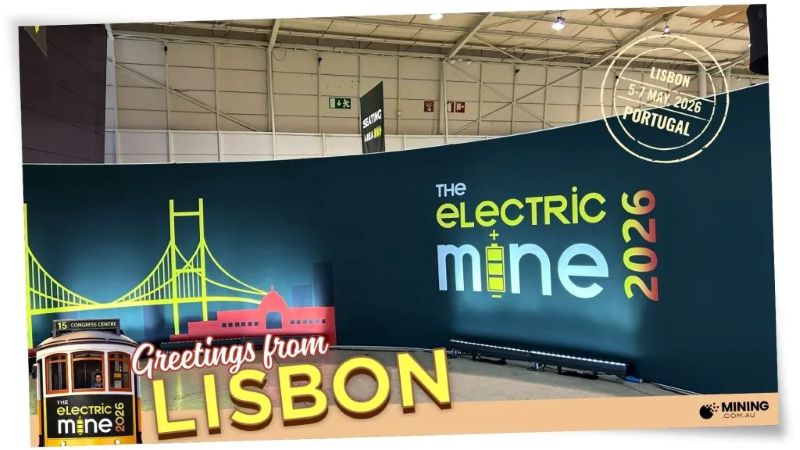
Electric Mine 2026
If the last few years of mining industry conferences have been dominated by electrification ambition, the Electric Mine 2026 gathering in Lisbon offered something more useful: a candid look at implementation. CharIN’s event review describes a sector that has moved from glossy roadmaps into the grind of real-world deployment, with mining companies, OEMs, infrastructure providers, and technology firms comparing notes on what is actually working in active operations today.
The dominant theme was collaboration. No single actor — miner, truck manufacturer, charging infrastructure provider, or grid operator — can electrify a mine site in isolation. According to CharIN, successful transitions depend on integrated planning that spans battery-electric vehicles, charging architecture, grid connections, and on-site energy management, increasingly including renewables and storage as core components rather than optional add-ons. Where that integration is missing, projects stall.
Hands-on testing has become non-negotiable. The review highlights battery-electric haul truck trials, new charging concepts, and integrated site energy solutions being tested in live operations specifically to surface constraints early — before they become expensive mid-deployment surprises. That shift from desk study to field trial reflects a maturation of the sector’s approach: less tolerance for theoretical readiness, more focus on what breaks under mining conditions.
Infrastructure readiness is emerging as the tightest bottleneck. Discussions at the conference repeatedly returned to charging concepts, grid capacity, energy management systems, and operational flexibility as the factors most likely to determine project success or failure. That finding aligns with reporting from Mining.com.au, whose coverage of the conference framed it against the backdrop of a global economy still roughly 80 percent powered by fossil fuels — underscoring how much ground the mining sector still needs to cover.
Key Takeaways
For clean-energy developers, Electric Mine 2026 signals growing and specific demand for grid upgrades, microgrids, and smart energy management at mine sites. For miners, the conference underscores that the next wave of competitive differentiation will come from those who can move collaborative pilots into scalable, interoperable solutions — and that the power infrastructure enabling those solutions is as critical as the vehicles themselves.
Sources: CharIN, Event Review: The Electric Mine 2026; Mining.com.au, “Electric Mine 2026 exhibits realistic take on electrification.”
MINE-SITE RENEWABLES CAN SERVE COMMUNITIES AS WELL AS MINES
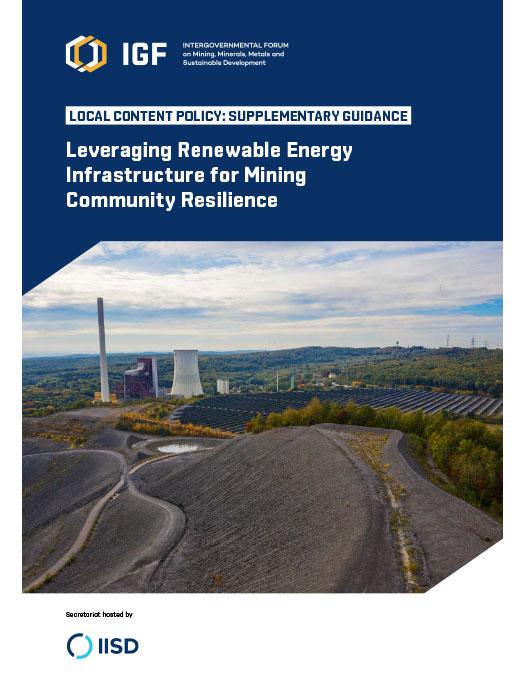
In many mining regions, high-quality renewable energy assets sit behind the mine gate while surrounding communities remain on unreliable grid connections or expensive diesel power. That disconnect is the focus of Renewable Energy Infrastructure for Mining Community Resilience, a new report from the Intergovernmental Forum on Mining, Minerals, Metals and Sustainable Development (IGF) and the International Institute for Sustainable Development (IISD). The authors argue that the infrastructure gap is not inevitable — it is a planning failure, and one that is correctable if addressed early enough.
The core finding is that governments and operators are leaving significant value on the table when solar, wind, and storage projects are designed exclusively to serve mine operations. Every megawatt installed for a mine could, with different planning assumptions, also support surrounding households, small businesses, and local industry — and continue doing so well beyond mine closure. The report calls for aligning mining, energy, climate, and development policies so those outcomes are designed in from the start, not negotiated at the end.
Practical mechanisms include structuring power purchase agreements and grid connections to route surplus clean generation to local users, and sizing hybrid systems to accommodate both mine demand and anticipated community load growth. Neither approach requires significant additional capital if incorporated at the design stage; both become substantially more expensive — or impractical — as retrofits.
Key Takeaways
For policymakers, the IGF/IISD report offers specific tools: embedding community energy outcomes in mining licenses and local content rules, mandating inclusive consultation on energy infrastructure at the permitting stage, and establishing post-mining ownership frameworks for renewable assets before operations begin.
For mining companies, the strategic message is equally clear. Renewables that are designed to serve communities strengthen social license, support local economic development, and reduce the long-term political risk that has derailed projects in resource-rich regions worldwide.
For clean-energy developers, the report reads as a blueprint for multi-offtaker projects in frontier markets — and a signal that the most durable mine-energy partnerships will be the ones built around shared infrastructure, not enclave power.
Source: IGF/IISD, Renewable Energy Infrastructure for Mining Community Resilience (2026). Available at igfmining.org.
FOLLOW & JOIN 247Solar
LinkedIn US, LinkedinEU, Twitter, YouTube
Contact: info@247solar.com