
HOW SOLAR‑DRIVEN COOLING CAN SLASH DATA CENTER WATER USE
Mathew G. Eddy/Shutterstock
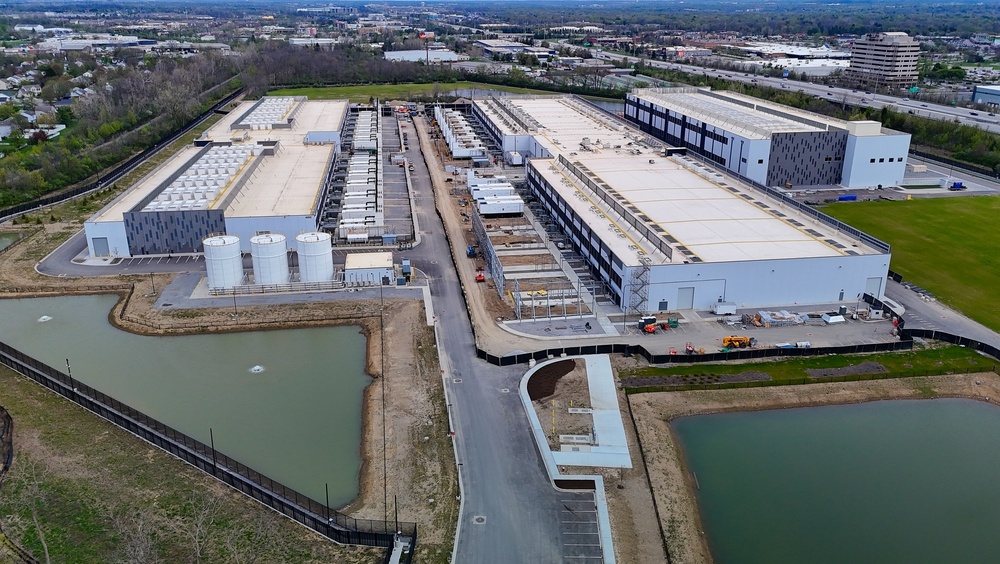
A recent article in Carbon Credits spotlights how AI’s growth risks outpacing local water planning and infrastructure as well as electricity demand. “If treated as a country, data centers could rank sixth globally for electricity consumption by 2030,” the author writes. “They would also require an amount of water equivalent to the annual needs of 1.3 billion people.”
The article cites a report by The UN University Institute for Water, Environment and Health that quantifies AI’s environmental cost across carbon, water, and land, as well on emissions. It estimates that global data centers consumed about 448 TWh of electricity in 2025 and could reach 945 TWh by 2030 as AI adoption accelerates. Associated with that electricity use is a projected water footprint of roughly 9.3 trillion liters by 2030—enough to meet the minimum annual domestic needs of 1.3 billion people in Sub‑Saharan Africa for an entire year.
The report notes that day‑to‑day AI usage, not just model training, accounts for 80–90% of total energy demand, which means ongoing, continuous cooling loads drive most of the water footprint. Large AI data centers can already use millions of gallons per day for cooling, and the report warns that siting these facilities in already water‑stressed regions can intensify local resource conflicts.
AI’s thirsty infrastructure
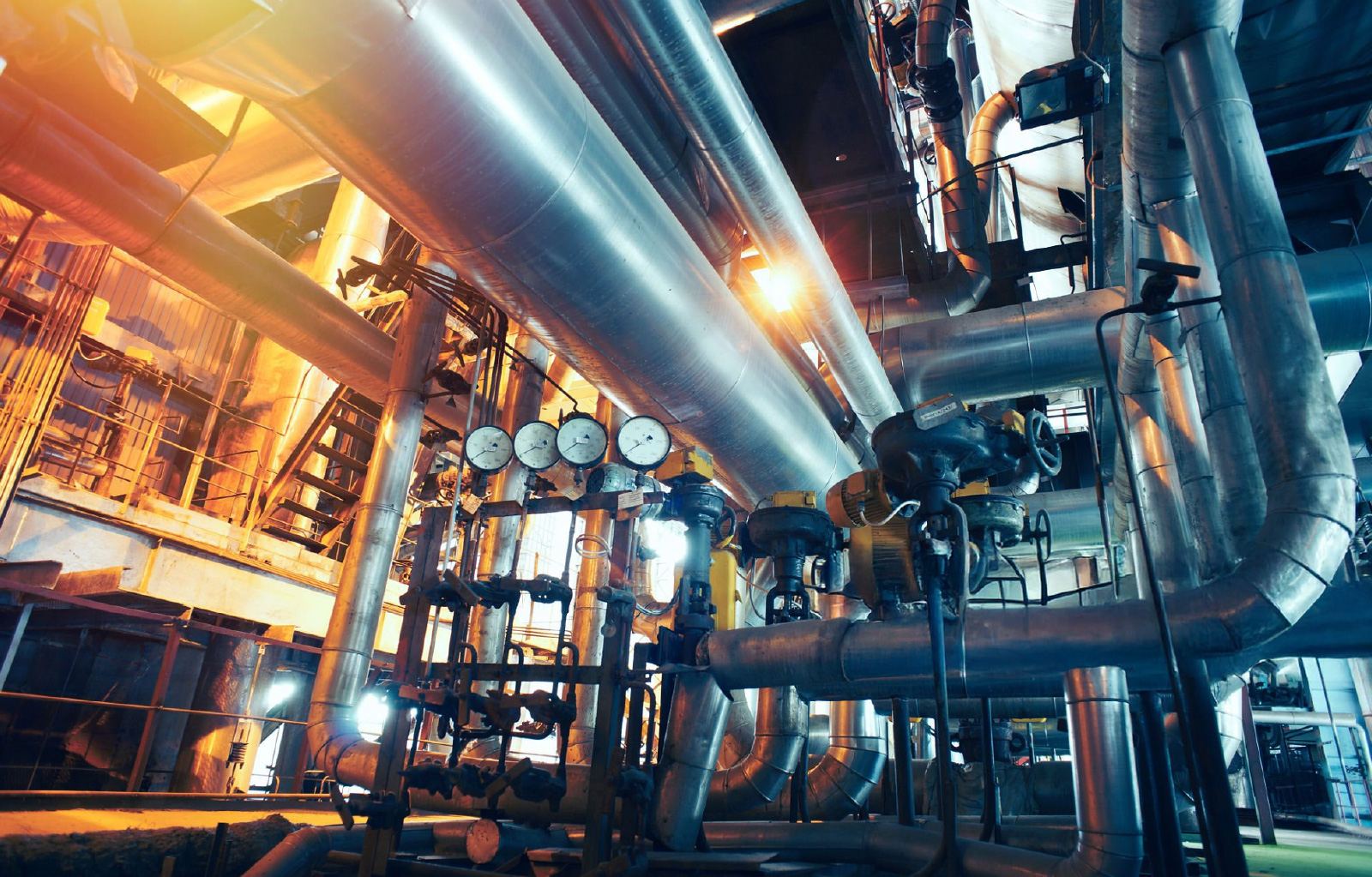
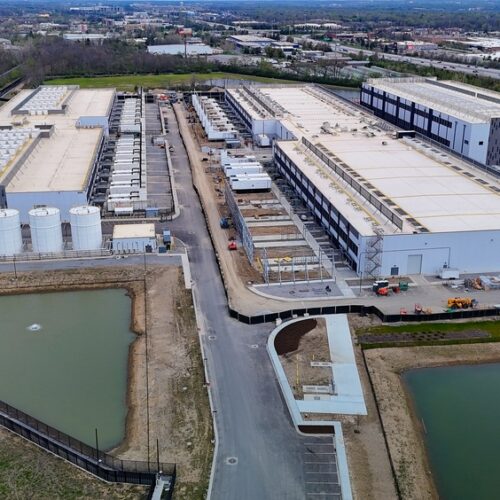
Data centers rely heavily on water for thermal management, removing heat from densely packed servers to maintain safe operating temperatures. In many designs, chilled‑water loops feed computer room air handlers or rear‑door exchangers, with evaporative cooling towers rejecting heat to the atmosphere by evaporating water. Each kilowatt of IT load ultimately translates into heat that must be moved somewhere, and evaporative cooling has long been a cost‑effective way to do that. Except that it directly consumes potable or treated water.
Water use also arises indirectly from power generation, especially when data centers rely on thermoelectric plants whose cooling systems draw large volumes from rivers, aquifers, or coastal zones. The UN report emphasizes that “every kilowatt‑hour used by AI carries carbon, water, and land implications.” Low‑carbon electricity is not automatically low‑water, and this complicates sustainability claims for data centers that focus only on emissions.
Why water is a problem for developers
For data center developers, this expanding water footprint is a material constraint on site selection, permitting, and community acceptance. New UN‑backed analysis shows that AI‑driven data centers are often concentrated in regions where large facilities already compete with households and agriculture for limited supplies.
As explosive data center growth draws scrutiny, local regulators are beginning to evaluate cumulative water and land impacts alongside carbon. Developers that cannot demonstrate credible strategies to limit on‑site water draw, or to decouple cooling from freshwater use, risk delays, reputational damage, and sometimes outright opposition from communities and NGOs.
How absorption chilling can reduce water use
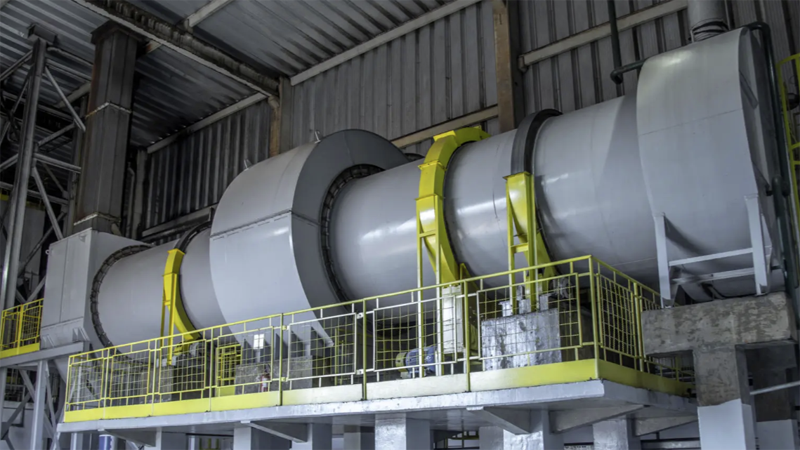
Absorption chillers offer a pathway to reduce the water intensity of data center cooling by shifting from electrically‑driven compression to heat‑driven refrigeration, often at higher chilled‑water temperatures that can enable less evaporative cooling. Rather than using a mechanical compressor, absorption systems use thermal energy to drive a refrigerant–absorbent cycle, converting waste heat or low‑cost thermal input into chilled water for server cooling.
Studies of data center applications show that absorption cooling can be paired with a variety of heat sources to deliver cooling with reduced incremental electricity demand and less water use. Because absorption systems can be configured with air‑cooled or reduced‑flow cooling towers, they can cut water per ton of cooling compared with conventional evaporative systems.
Hybrid solar thermal systems for AI‑ready data centers
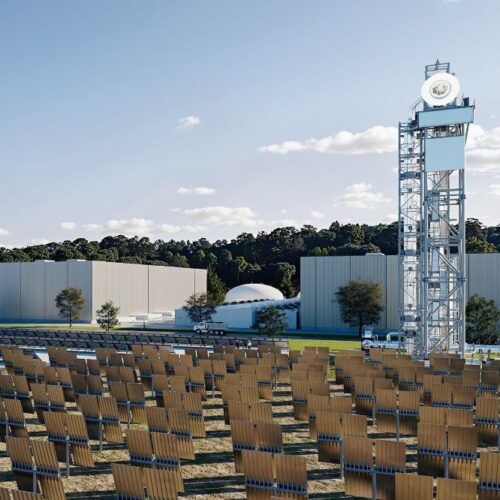
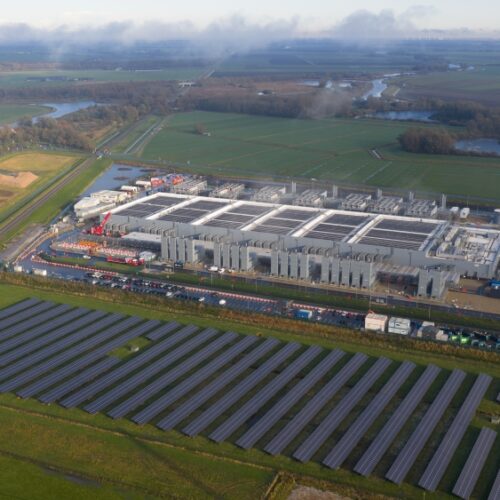
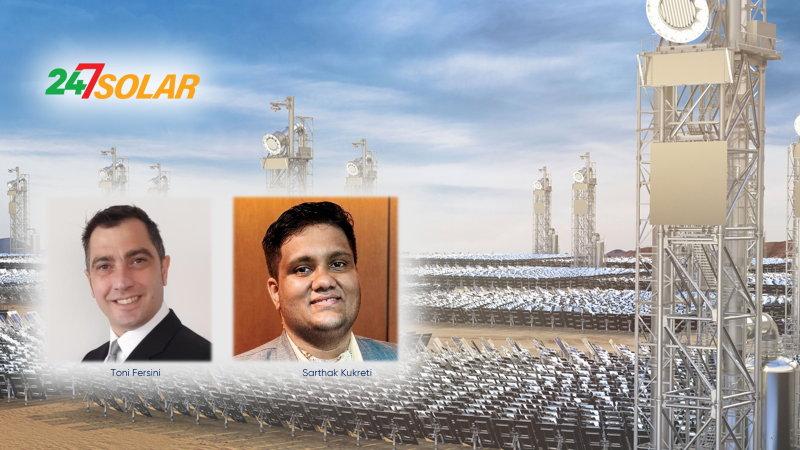
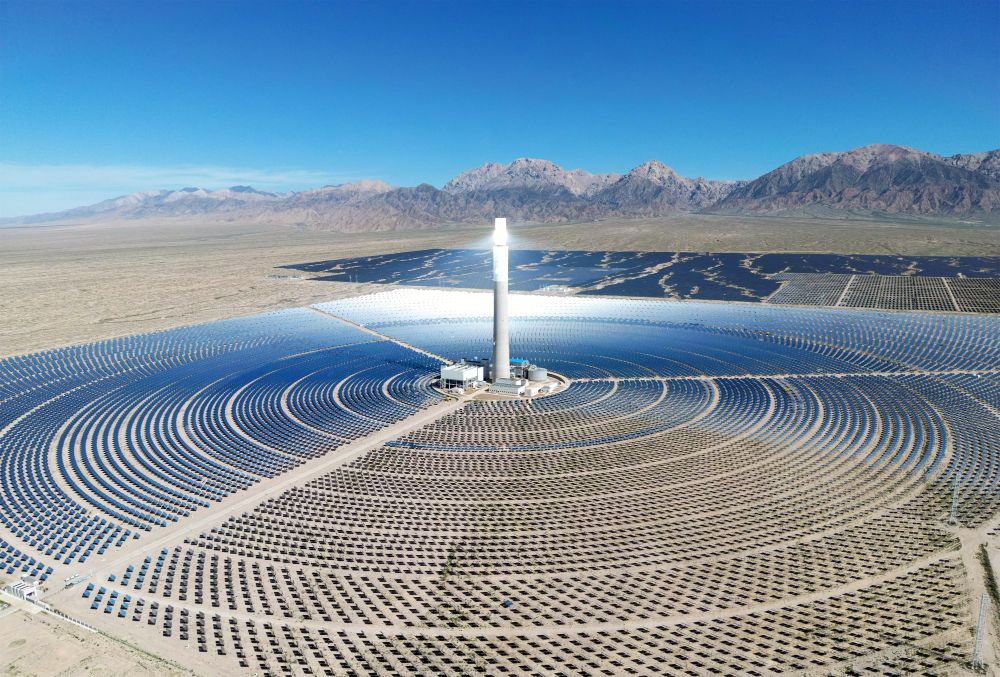
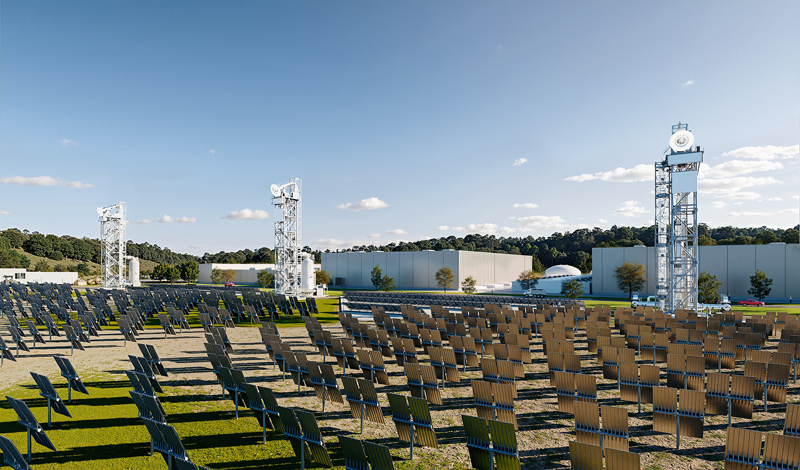
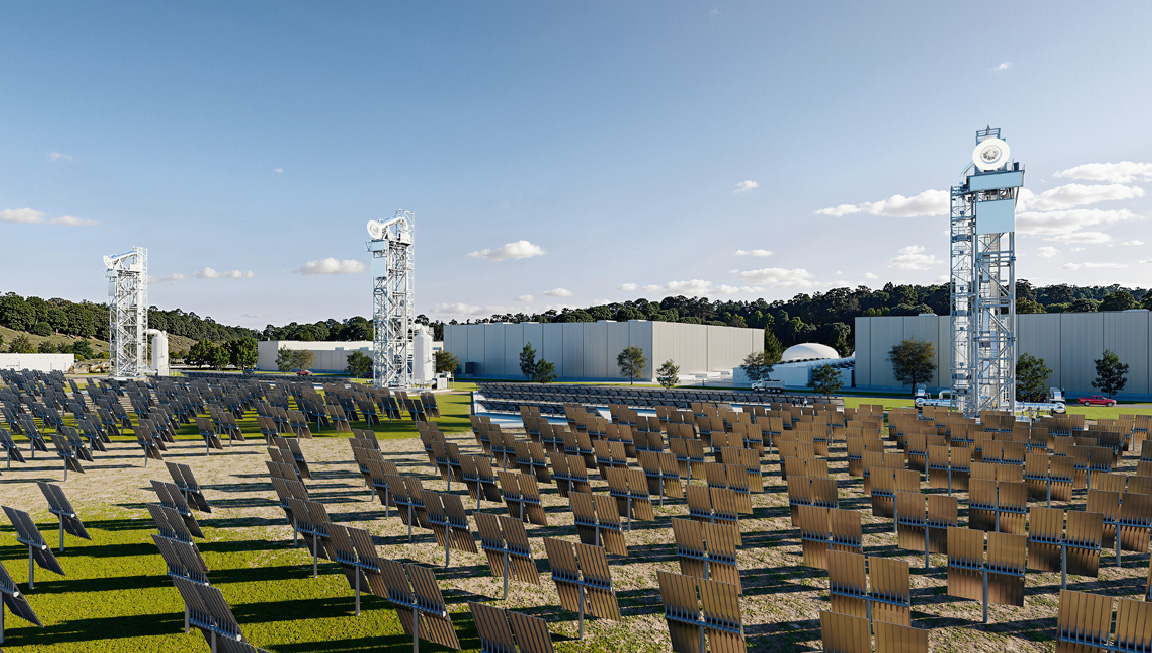
Hybrid energy systems that integrate solar thermal with other generation and storage technologies can take this a step further by using renewable heat to drive absorption chillers, simultaneously reducing both electricity demand and direct water consumption. Concentrated solar thermal systems with thermal storage—like those deployed by 247Solar—can deliver high‑temperature, dispatchable heat that runs absorption cooling while also supporting electricity generation.
For data centers, this means a cooling solution that is less dependent on grid electricity, more resilient during heatwaves, and capable of shrinking the water footprint of thermal management by shifting away from traditional high‑evaporation operation. In practice, a hybrid solar‑thermal–powered absorption chiller can help data center operators lower operating costs, cut carbon, and meet emerging expectations on water stewardship, therby offering a more sustainable pathway for AI infrastructure growth.
INTEGRATED CLEAN POWER AND CHILLING FOR DATA CENTERS
No need to wait years for a grid connection. 247Solar’s hybrid clean solutions are ready to power your data centers as soon as you can build them. 247Solar’s solutions provide both electricity and chilling in a single turnkey package. 247Solar builds, owns, and operates its systems and sells energy on a PPA basis at predictable prices for 20 years or more.
247Solar offers data centers
- Faster Speed to Power than gas, geothermal or SMRs
- Firm, renewable baseload power and chilling
- Super-high reliability with built-in backup
- Close load following
- Predictable energy costs
- No upfront capital investment
GREEN ECONOMY TOPS $10 TRILLION

iStock
The London Stock Exchange Group (LSEG)’s seventh annual “Investing in the Green Economy 2026: Resilience and Reacceleration” report, flagged in this week’s Energy Monitor Weekly, delivers a striking headline. The global green economy has crossed $10 trillion in market capitalization for the first time, making it the world’s third-largest industry by that measure — trailing only Technology and Industrials, and now ahead of Health Care.
Drawing on LSEG’s proprietary Green Revenues data across more than 21,000 listed companies and 133 green product categories, the report finds green revenues grew 5.3% in 2025 to $5.5 trillion — the fastest pace since 2022. Electric vehicles and advanced batteries were standout performers, adding $62 billion in revenue.
Regionally, Asia now generates 47% of global green revenue, led by China’s dominance in EV batteries and rail, while the US retains 57% of global green market cap despite policy headwinds. Drilling down, China alone generates 41% of Asia’s green revenue, having deployed $625 billion in clean energy investment last year. India posted the fastest five-year green revenue CAGR in Asia at 20%, built on leadership in biogas equipment and irrigation systems. In the US, Meta, Amazon, Google and Microsoft together represented nearly half of all corporate clean power purchase agreements signed in 2025 — the clearest data point yet connecting hyperscaler demand growth to green revenue expansion.
On profitability, the report finds no simple green-premium trade-off. Companies generating over 50% of revenue from green products post EBITDA margins 2–4 percentage points higher than non-green sector peers. Those below the 50% threshold tend to underperform — a gap LSEG attributes to the upfront cost of early-stage transition investment.
On equities, the FTSE Environmental Opportunities All Share Index outperformed the broader market by 12.4% over the trailing 12 months. Meanwhile, green bond issuance hit a record $605 billion. With respect to green M&A, the report notes $4.1 trillion in green deal value over the past decade, with green companies increasingly using acquisitions to scale rather than being absorbed by non-green incumbents.
Green M&A deals averaged $257 million in size between 2023 and 2025 versus $150 million for non-green transactions. Interestingly, only 4% of non-green acquirers bought green assets at all, underscoring that scaling still happens mostly within the green economy itself rather than through outside capital.
Download the full report here.
RENEWABLES ARE SHIELDING ECONOMIES FROM VOLATILE FOSSIL MARKETS
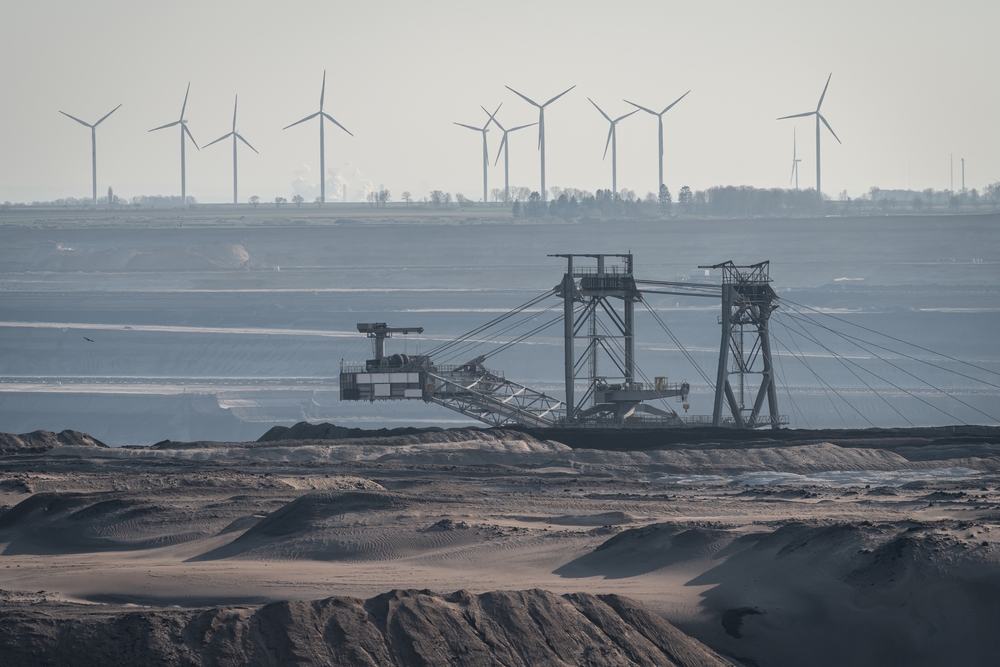
Under the banner of Positive Climate Stories for May 2026, Opportunity Green highlights a report Carbon Brief that shows how renewables are shielding economies from volatile fossil markets. Drawing on data from the UK’s National Energy System Operator (NESO), Carbon Brief shows that record wind and solar generation since late February 2026 enabled the UK to avoid gas imports worth £1.7bn, illustrating how clean power can shield economies from fossil fuel price shocks.
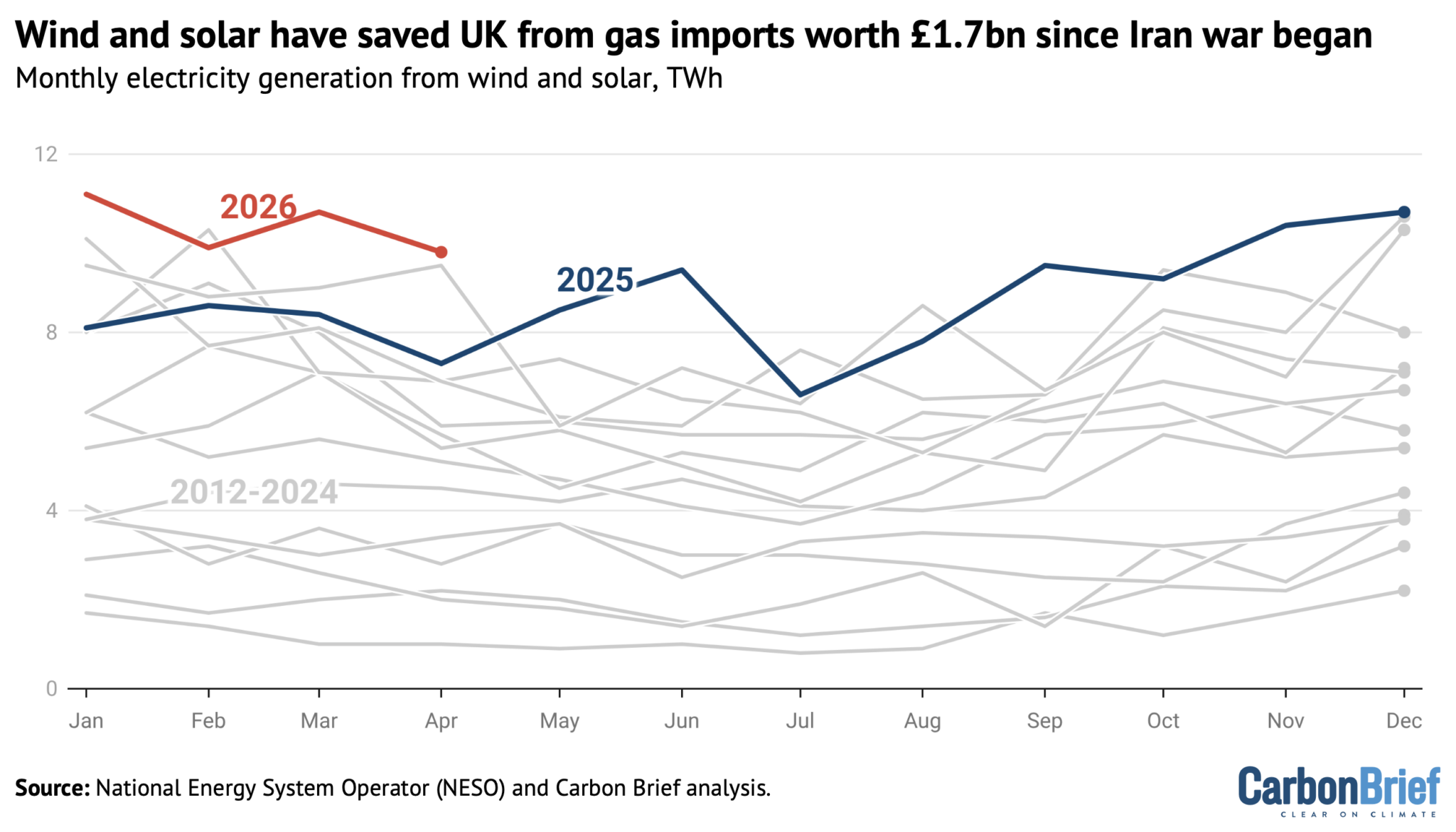 The study finds that wind and solar together produced a record 21 TWh of electricity on Great Britain’s grid in the period after the US and Israel’s attacks on Iran, displacing an estimated 41 TWh of gas that would otherwise have been needed for power generation. In physical terms, this is equivalent to about 34 tankers of liquefied natural gas (LNG), whose import cost would have reached roughly £1.7bn at conflict‑inflated gas prices. Carbon Brief also notes that gas‑fired generation fell to record lows in March and April 2026, around one‑third lower than the same period a year earlier, as wind and solar output rose.
Over the months since the Iran war began, wind and solar together have generated more than twice as much electricity as fossil fuels—an inversion of the situation a decade ago, when fossil generation was more than four times higher than wind and solar. The analysis highlights that wind and solar have now out‑generated fossil fuels for a record 15 consecutive months, including the entire 2025–26 winter season.
This is just one tangible example of how clean energy is increasingly central to energy security, as well as climate policy.
Read more.
FOLLOW & JOIN 247Solar
Contact: info@247solar.com