
SOLAR HEAT FOR ORE DRYING – A CASE STUDY
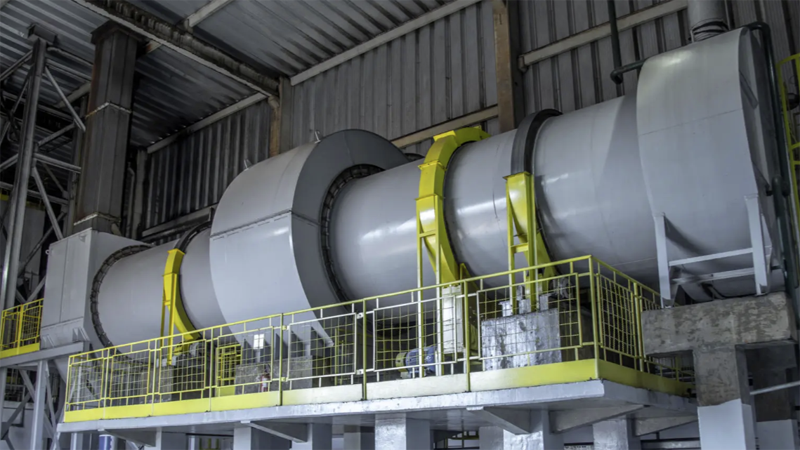
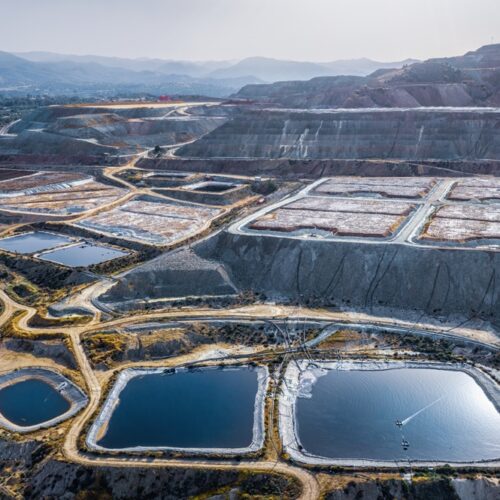
Picture a hard-rock lithium mine in southern Africa, where the owners are considering onsite drying of spodumene concentrate. The core economics are compelling. Concentrate sales contracts settle on a dry-weight basis. In addition, every tonne of water in a shipment is freight and insurance cost with zero metal value, and non-conforming wet feed triggers penalty charges. Shipping higher-quality dried concentrate (as low as 1% moisture) could enable the mine to earn significantly more than the prices they receive for the wet concentrate (15% moisture) they currently produce.
Unfortunately, the high cost of diesel to produce the heat to dry the concentrate has made the purchase of a dryer by the mine uneconomical. At US $1.35/l for diesel, they are looking at millions of dollars in annual fuel costs that substantially exceed the cost of a dryer.
Solar Thermal Solution
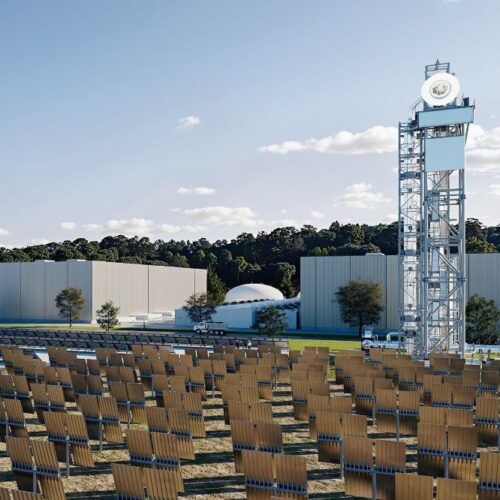
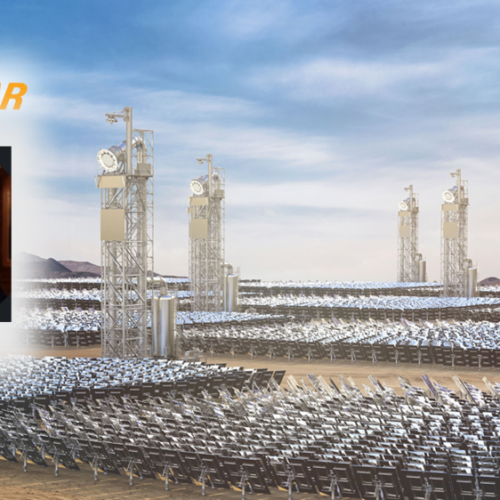
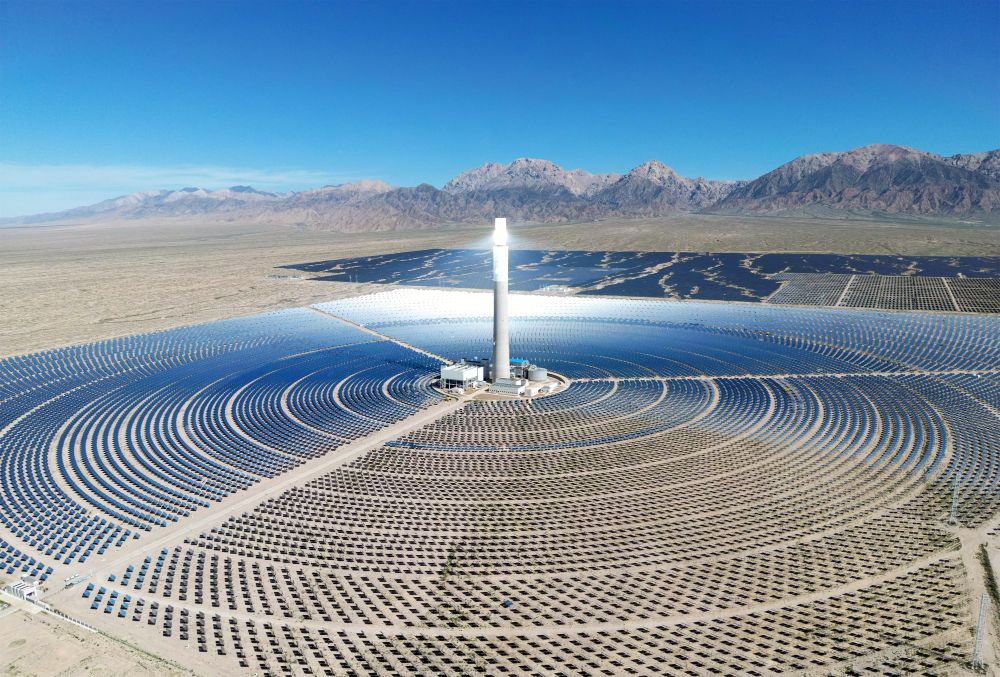
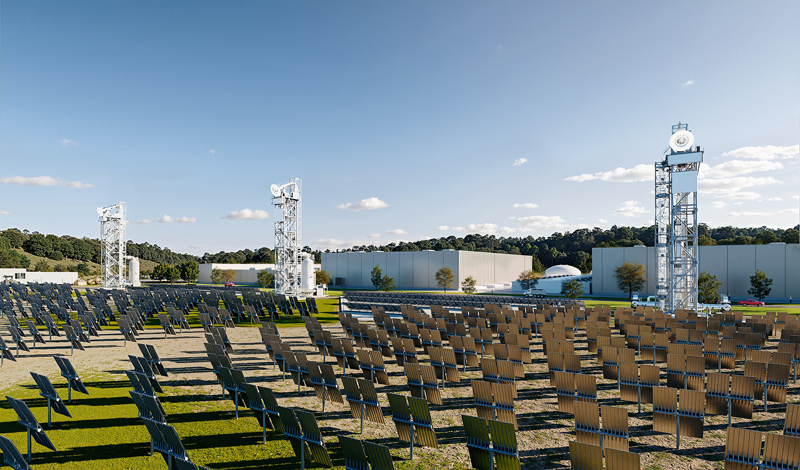
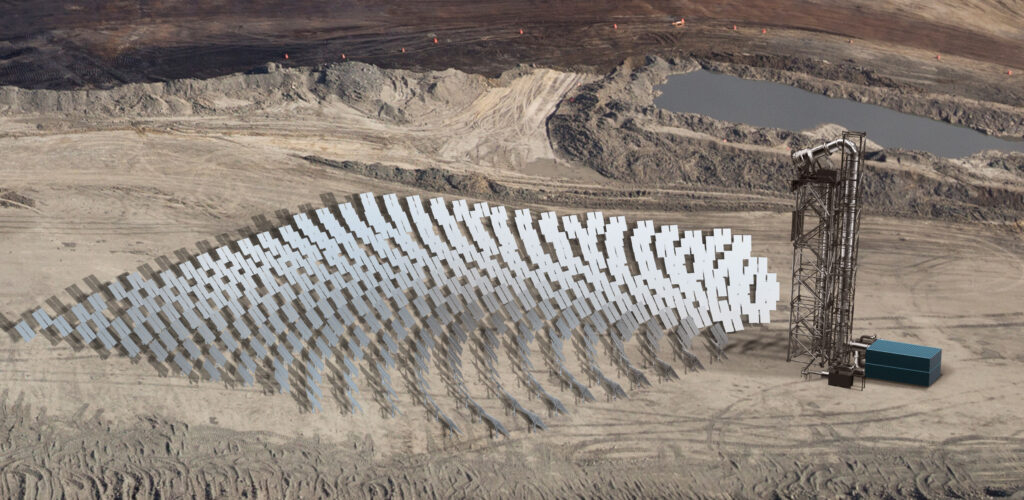
Industrial Solar Thermal technology from 247Solar offered a solution. In addition to providing round-the-clock low carbon baseload power, 247Solar’s technology provides a continuous flow of industrial process heat up to 250°C — precisely the required operating temperature window.
Simple heat transfer
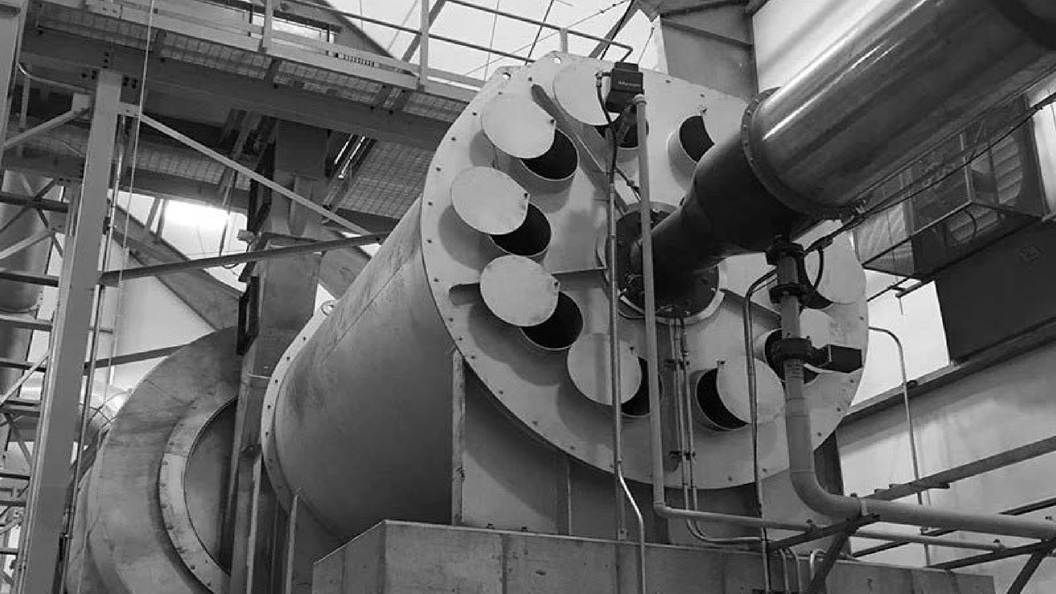
The process for getting the solar heat to the dryer(s) is straightforward. 247Solar’s proprietary solar heat-driven turbine produces clean exhaust at 250°C. Because the turbine’s exhaust is at atmospheric-pressure, a dedicated forced-draft blower moves the hot air through insulated steel ducts to one or more dryers.
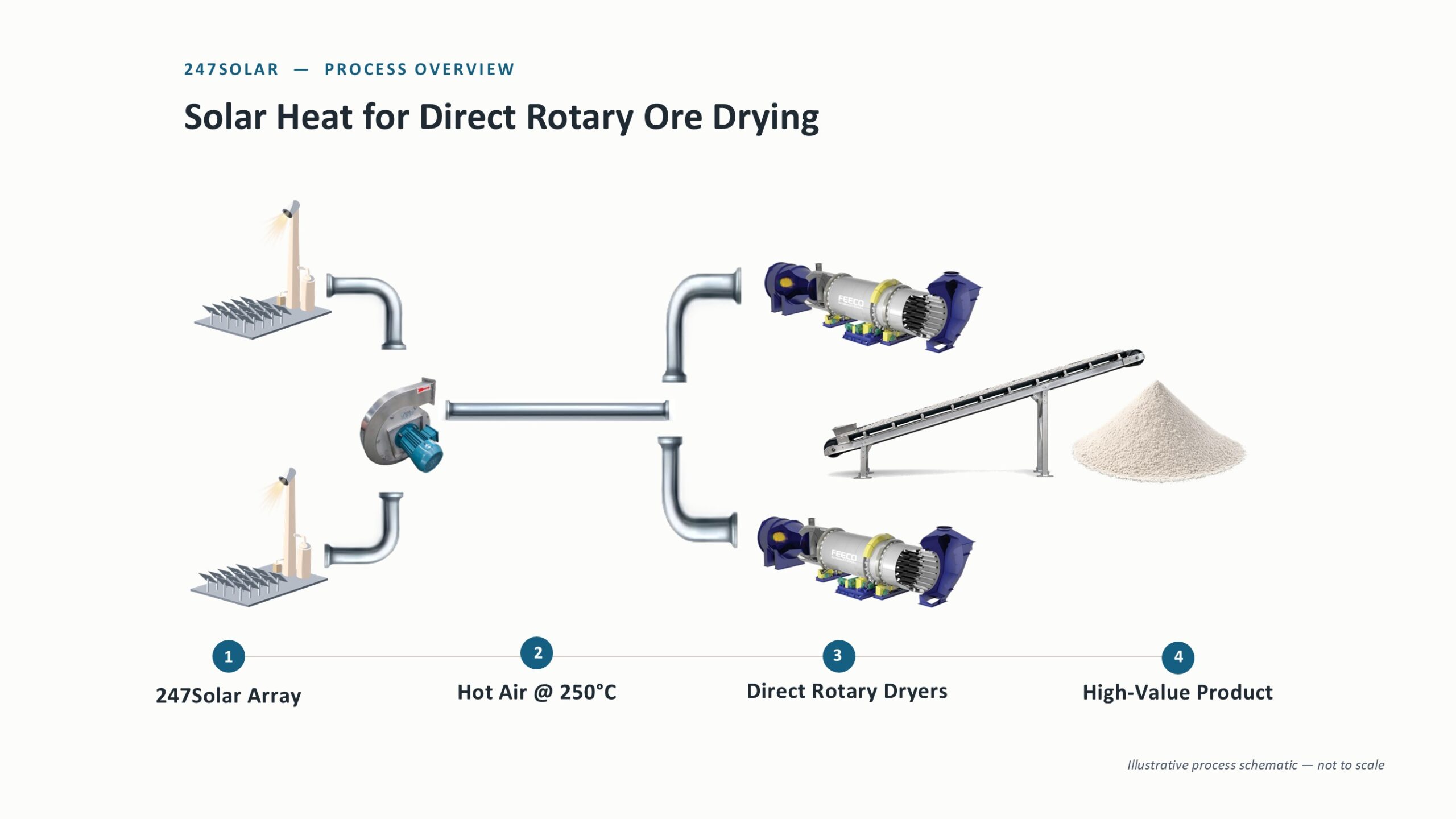
By combining the 247Solar system’s thermal storage (up to 18 hours at full output) with its unique capability to burn fuel during bad weather, the system can dispatch heat every hour of the day and night, every day of the year.
NO CAPEX business model
247Solar builds, owns and operates the system and sells the heat and power directly to the mine at a predictable price on a 20-year PPA. The is no upfront CAPEX or ongoing OPEX to the mine for power and heat generation equipment. Diesel fuel savings are significant, and margins are greatly improved since the mine can now realize more revenue per tonne for a higher quality product.
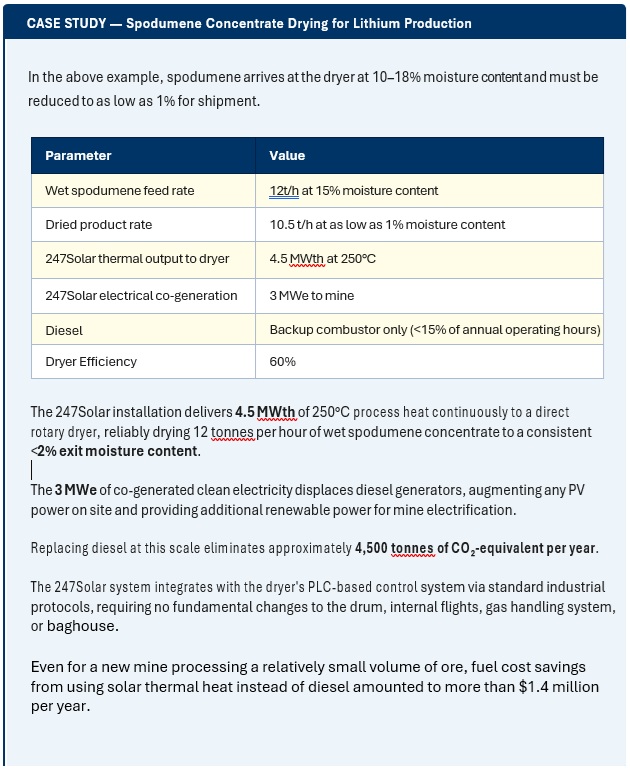
247Solar’s energy prices are predictable for the life of the contract, which eliminates energy commodity volatility risk and simplifies the mine’s budgeting and decision making.
247Solar’s modular Industrial Solar Thermal platform is the first technology to make solar-powered rotary drying genuinely practical at commercial scale.
Contact us to learn more.
ROUND-THE-CLOCK CLEAN HEAT AND POWER FOR MINES WITH NO ADDITIONAL CAPITAL COST
247Solar builds, owns and operates our hybrid solutions and sells round-the-clock clean heat and power on a PPA basis. Mines pay only for the energy they use with no additional capital cost and no risk.
We remove the burden of ownership by assuming all responsibility for operations, maintenance, insurance and repair. We guarantee energy delivery – redundant systems ensure reliability and eliminate the need for gensets.
Here’s what that means for miners:
- Reduced energy costs by 25% or more
- Stable, predictable energy prices for decades
- Lower operating costs per ton
- Increased competitiveness
- Longer life-of-mine
Get in touch to learn more
AFRICA’S MINING BOOM HAS A POWER PROBLEM
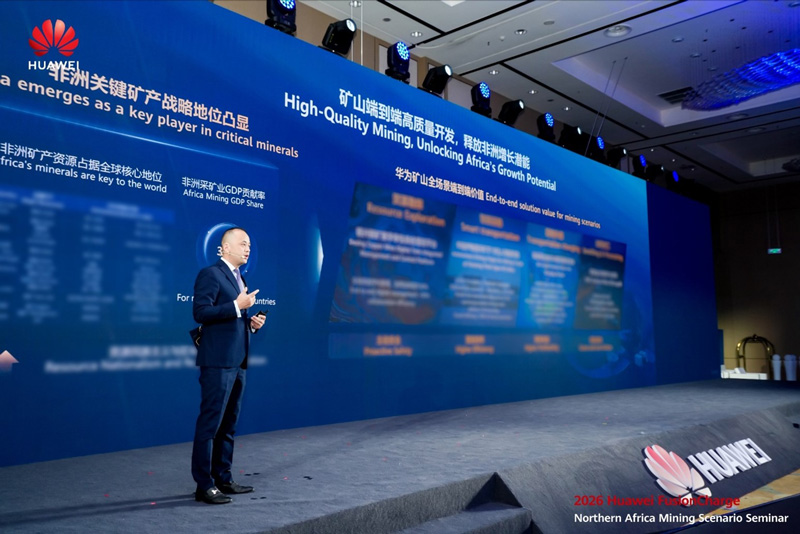
Huawei
Africa’s mining sector is at an inflection point. In a recent commentary, Philippe Wang, President of Digital Power for Huawei Northern Africa, notes that the continent holds around 30% of the world’s mineral reserves and is a leading producer of several strategic resources, including around 70% of global cobalt output and close to 80% of platinum group metals. Now, he notes, countries are pushing to capture more of that value locally rather than simply exporting raw ore.
The obstacle, Wang observes, isn’t ambition or resources. It’s power. In the DRC, around six in ten enterprises already rely on back-up generators to cover for grid instability. Across developing markets more broadly, IFC research cited in the piece puts generator-related diesel and petrol spending at an estimated $30-50 billion a year. In Guinea, where mining accounts for roughly 90% of exports and 22% of GDP, that same energy fragility directly impacts national economic output.
The universal case that emerges is one that applies well beyond any single mine’s product line. Mine sites are disproportionately remote and grid-edge, making them ideal candidates for distributed generation rather than dependence on distant, fragile transmission networks or trucked-in diesel. Solar paired with storage can stabilize supply, cut exposure to volatile fuel logistics, and — as scrutiny mechanisms like the EU’s Carbon Border Adjustment Mechanism increasingly tie market access to how minerals are produced and powered — directly affect competitiveness in export markets.
The broader point, as Wang puts it, is that “the countries that shape the future of African mining and industrialization will not only be those with the richest deposits. They will be those capable of building resilient energy systems that support value chains, digital transformation and inclusive growth reliably.” For mining operators anywhere with remote or weak-grid assets, on-site generation independence is becoming as strategic as the deposit itself.
Read more.
IEA’S 2026 OUTLOOK: MINERAL DEMAND KEEPS CLIMBING, INVESTMENT DROPS
IEA
Global demand for critical minerals kept climbing through 2025, but for the first time in five years, investment in the sector didn’t keep pace — falling 9% even as demand for copper, battery materials, wind and solar inputs, and rare earth magnets stayed robust, according to the International Energy Agency’s Global Critical Minerals Outlook 2026. The IEA attributed the pullback largely to the market volatility of 2024-2025, which it says exposed structural uncertainty in mineral supply chains and made investment decisions harder even as demand is expected to nearly double by 2040 under the agency’s Stated Policies Scenario.
Prices told the other side of the story. According to the IEA’s outlook, base metals like aluminum, copper and tin rose about a third between January 2025 and April 2026, with copper hitting record highs; lithium more than doubled on strong energy-storage demand; and cobalt jumped roughly 130% after the Democratic Republic of the Congo tightened export quotas. On the supply side, the report finds the projected copper deficit has actually narrowed, from about 30% to 25% of demand by 2035, as more projects move toward production. But the cobalt gap has widened, from just over 15% to more than 25%, a direct consequence of the DRC’s policy shift.
Concentration risk was the report’s sharpest warning. China still controls the large majority of global refining capacity for lithium, cobalt and rare earths, and the IEA calculates that if suspended Chinese export controls on rare earths were fully reinstated, roughly $6.5 trillion a year of downstream production outside China would be at risk. “These developments underscore how small volumes of critical minerals underpin vast economic value and highlight the fragility of highly concentrated supply chains, “the IEA said in the report. Executive Director Birol added that diversified, higher-cost supply chains are best understood as “a mineral security premium… a form of economic insurance against major supply risks” — a framing decision-makers weighing where to site new mining and refining capacity will want to keep in view.
The practical implication is this: pricing volatility and policy-driven supply shifts like the DRC’s cobalt quotas are now moving faster than new mine and refinery capacity can respond. The IEA’s own data suggests recycling — projected to roughly double its share of supply by 2040 — and diversified, if costlier, sourcing will be central to how the sector manages that gap through the next decade.
Download the report here.
FOLLOW & JOIN 247Solar
LinkedIn US, LinkedinEU, Twitter, YouTube
Contact: info@247solar.com