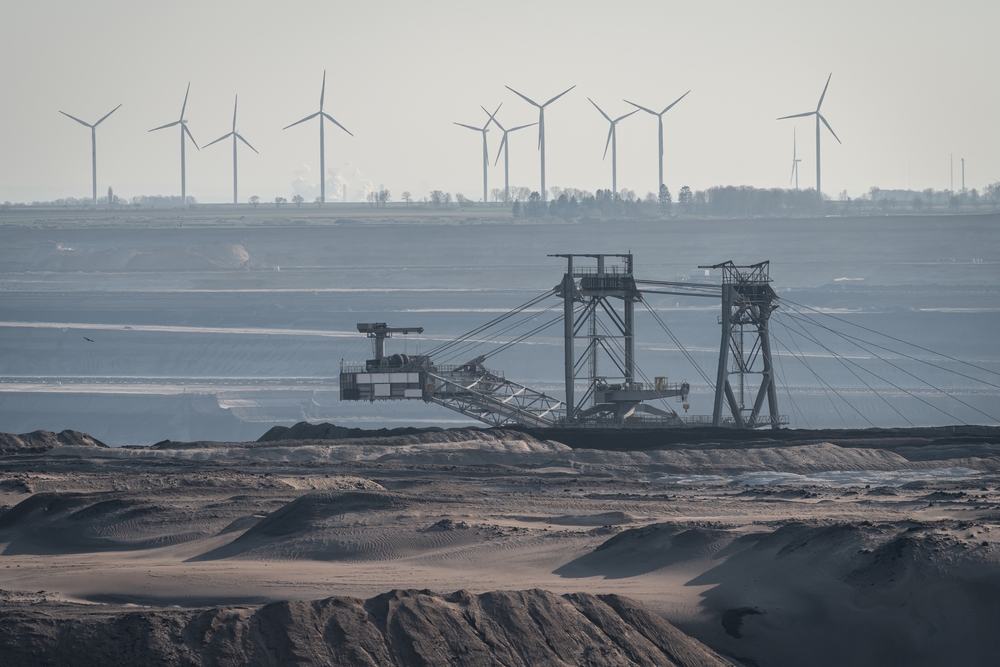

ONE-THIRD OF U.S. INDUSTRIAL HEAT COULD GO RENEWABLE BY 2035
 New research says off-grid renewables and thermal storage can economically replace a third of U.S. industrial heat demand. As natural gas volatility and interconnection backlogs squeeze manufacturers, a U.C. Berkeley study points to on-site renewables and thermal storage as a clean, economical alternative.
A new analysis from researchers at the University of California, Berkeley’s Goldman School of Public Policy — reported by Utility Dive — finds that off-grid renewables paired with thermal storage could economically supply roughly one-third of U.S. industrial heat demand by 2035. That is 3,255 trillion BTU out of 9,530 trillion BTU in total demand, up from about 1,060 trillion BTU today. The findings validate the approach of 247Solar’s Industrial Solar Thermal technology that delivers ultra-high-temperature heat — up to nearly 1,000°C — and stores it in low-cost solid media, delivering both round-the-clock clean electricity, industrial-grade process heat and built-in backup from a single, off-grid asset.
U.C. Berkeley Report
The Berkeley study evaluated 3,559 industrial sites nationwide and found that more than half of heat demand above 200°C — the medium- and high-temperature processes that are hardest to electrify — could be met economically by 2035 through renewables with thermal energy storage. In an interview, lead author Jose Dominguez told Utility Dive that the results should be promising news for manufacturers heavily reliant on natural gas and exposed to volatile prices, adding that on-site clean energy technologies “provide control over the cost and predictability.” Renewables-plus-thermal technologies also offer an option to build off-grid, bypassing the multiyear interconnection queues now plaguing the U.S. grid.
247Solar’s Approach
The report identifies several historical challenges to the widespread adoption of renewable-powered industrial heating, including reliability concerns, investment and timeline considerations, and space limitations. 247Solar’s Industrial Solar Thermal solutions are optimized to address these constraints.
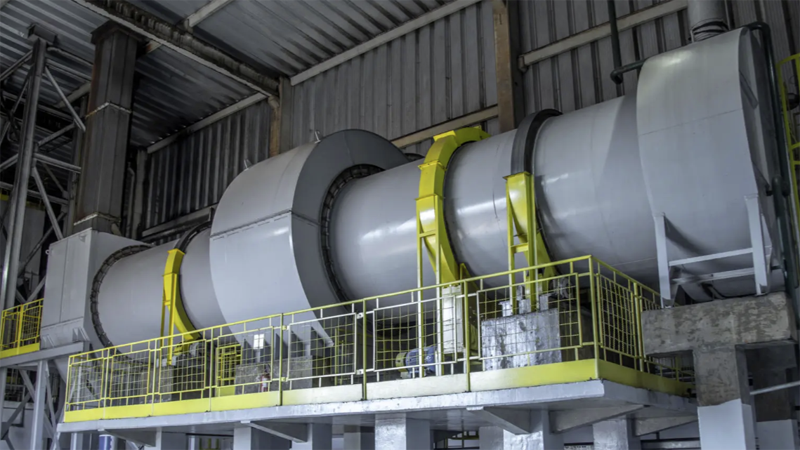
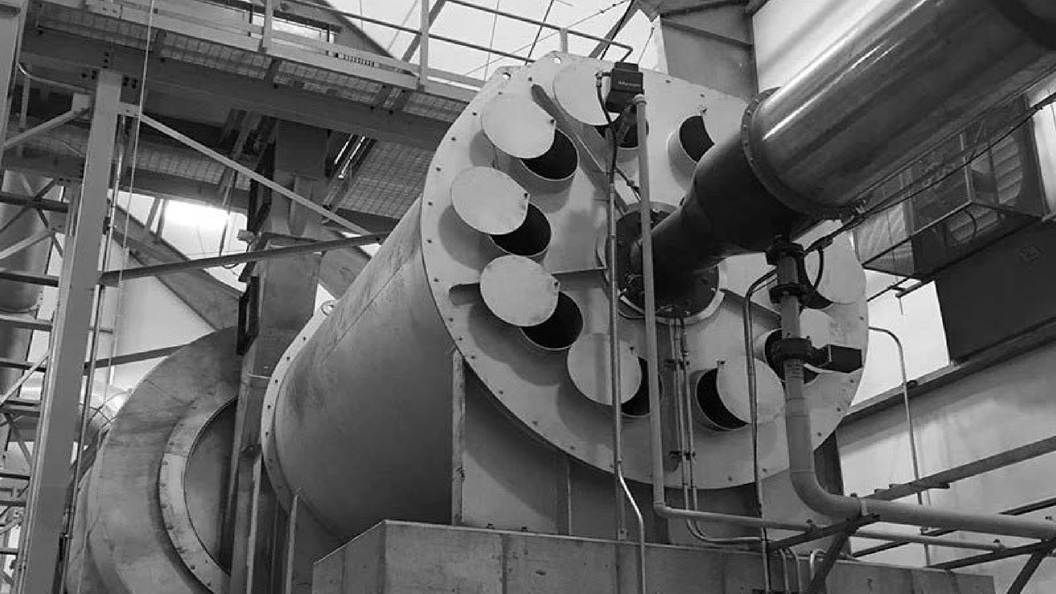
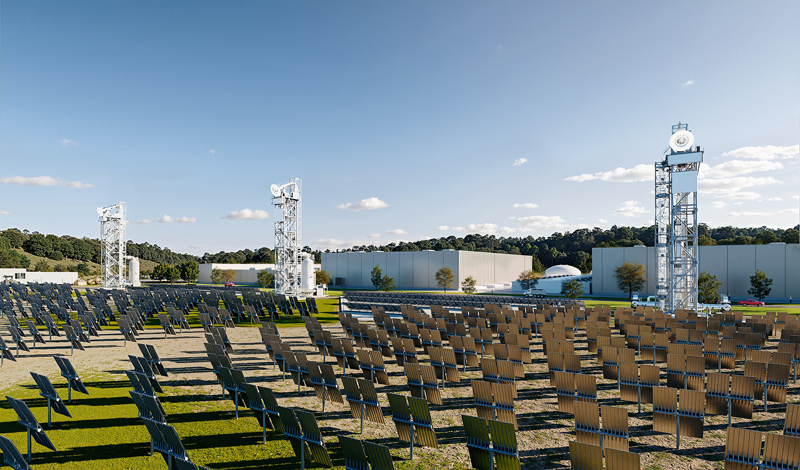
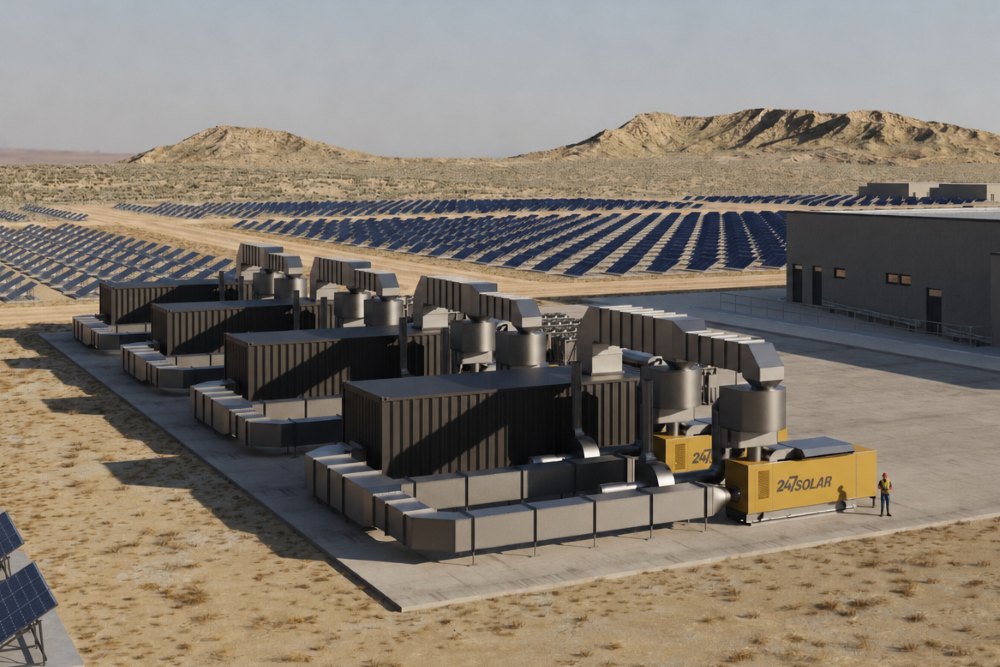
247Solar’s approach captures the sun’s energy as heat and stores it for up to 20 hours in inexpensive solid media. Proprietary hot-air-driven turbines use the stored heat directly to produce electricity while at the same time providing a stream of usable process heat. When the thermal storage is depleted, the turbines can switch to burning any locally available fuel, to provide an uninterrupted energy supply to support continuous operations.
247Solar builds, owns and operates its systems and sells the heat and electricity directly to end-users via long-term PPAs, This eliminates the need for up-front capital investment in energy assets and relieves the burden of asset ownership. The company’s HeatStore™ Industrial Thermal Battery leverages existing solar PV or wind resources in a modest footprint that can be located close the site.
Although heat pumps are the most cost-effective clean option for process heat below 200°C, the study found that thermal batteries can now offer “competitive or lower costs” up to and perhaps beyond 1000°C, particularly where natural gas prices run high. In one example from the study, delivered heat for a glass-melting process near 1,200°C cost roughly $52 per MWh-thermal from thermal storage versus $82 from gas. 247Solar’s systems operate up to 970°C, well inside this high-value band,
Wide Applicability
The UCB report focused primarily on the economics of decarbonizing the industrial sector, which accounts for a large portion of U.S. greenhouse gas emissions. “In many cases, electric heating solutions are already at cost parity with or below fossil fuel-based alternatives, and as renewable energy costs continue to decline, their economic advantage is expected to grow,” it said.
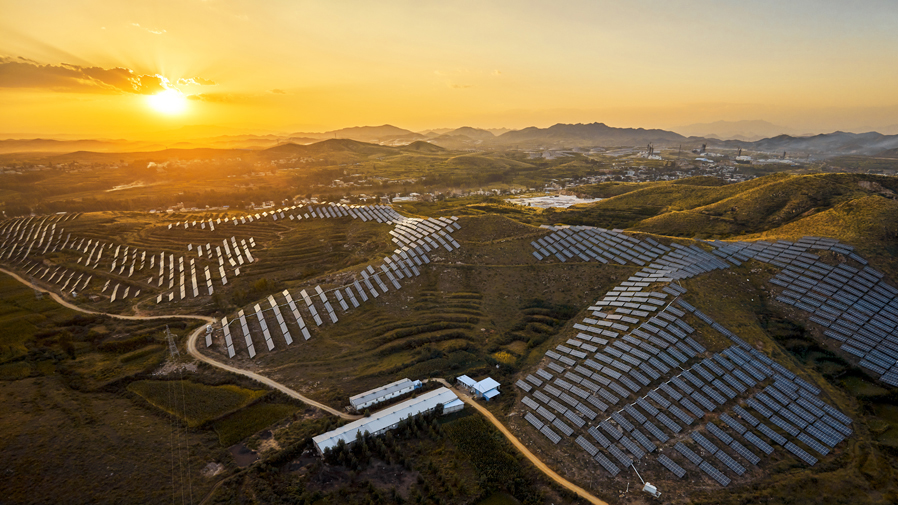
And while about 27% of total heat demand is concentrated in facilities lacking sufficient local renewable potential, mostly in urban areas, Dominguez said he was surprised by how many industrial sites in the U.S. had potential to add renewable generation. When the study compared industrial heat demands with estimated solar and wind energy generation potential within a 15×15 mile (25×25 km) square buffer zone of each of the industrial sites surveyed— the area within which RE projects could feasibly connect to each site—it found solar resource availability of 60 times the aggregate required energy. This suggests that the vast majority of U.S. industrial sites are situated in regions where nearby solar resources could theoretically meet or exceed their heat needs.
Download the UCB report here.
CLEAN 24/7 INDUSTRIAL CHP
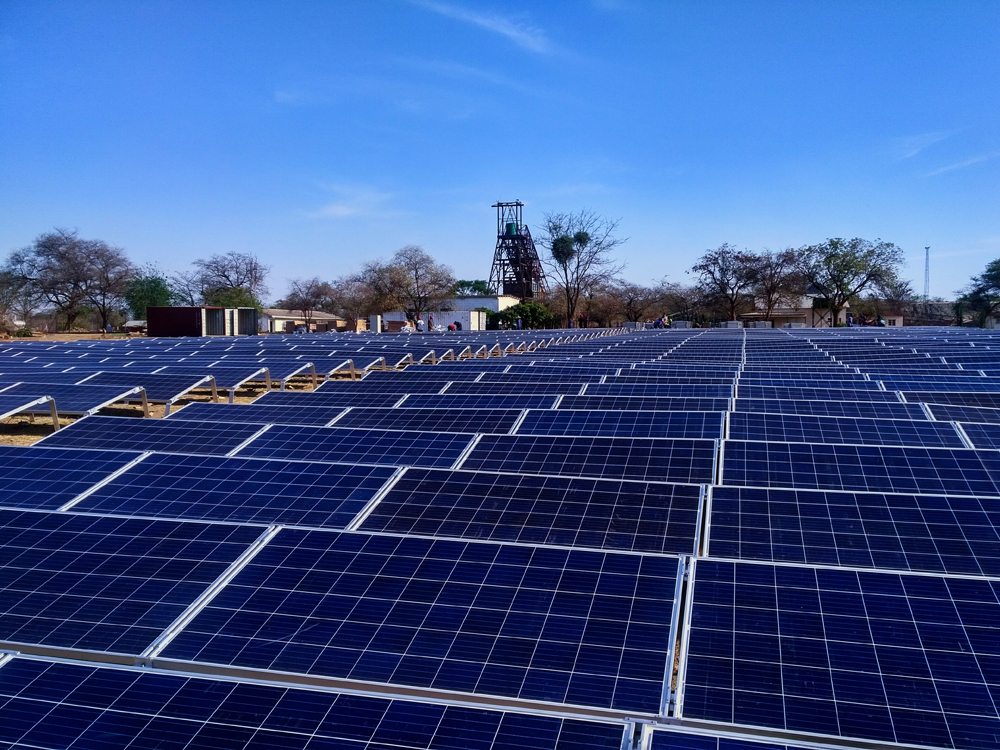
HeatStore Industrial Thermal Batteries integrate with PV
Many industries use both electricity and heat. Of these, process heat is especially challenging to decarbonize. 247Solar Solutions offer round-the-clock clean electricity and heat on a PPA basis, with no capital outlay by the customer.
What this means for industry
- Improved economics
- Increased flexibility
- Reduced carbon footprint
- 24/7 energy availability
ORACLE AND OPENAI EMBRACE SOLAR TO OVERCOME PUSHBACK AGAINST MASSIVE PROJECT
VisualAviation/Shutterstock
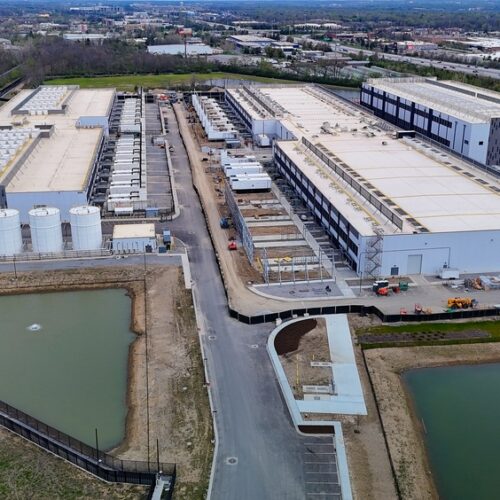
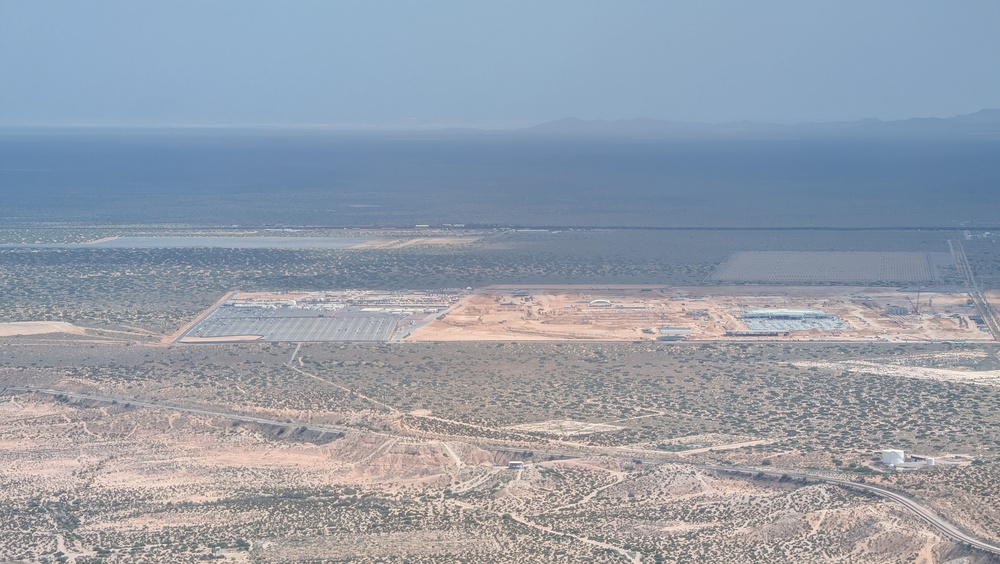
Oracle and OpenAI are turning to renewables to overcome the dual challenges of speed-to-power and community opposition at their massive Stargate data center project in New Mexico.
Maeve Allsup of Latitude Media reports that Project Jupiter, a joint $165-billion project near the Texas border is seeking two GW of new renewable energy to come online between 2027 and 2031.Allsup reports that, like many data centers, the project has faced significant local pushback over concerns related to air quality, noise, and water.
Originally, the project was to rely on conventional gas turbines and diesel generators, but earlier this spring Oracle and OpenAI announced a switch to 2.45 gigawatts of Bloom Energy fuel cells. These also run on fossil gas but emit less nitrous oxide than turbines. But opposition remains, and the status of a planned fossil gas pipeline to supply the project with roughly 400 million cubic feet per day of gas — will be the sole fuel source for the cells —has run into numerous hurdles.
Allsup writes that “many other data center projects are turning toward renewables as a speed-to-power solution,” and developers are increasingly realizing the advantages of renewables, both to help procure emissions offsets and to build local support for their projects. However, It’s the scale of Oracle’s procurement target, almost the capacity of the data center itself, that is notable, Allsup says.
Read more
INDIA TO REQUIRE STORAGE ON NEW RENEWABLE PROJECTS

QQMinh88/Shutterstock
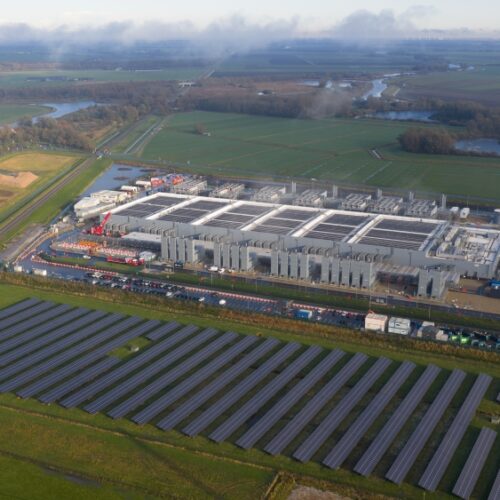
Facing curtailment of nearly one in seven kilowatt-hours of solar generation, India’s regulators are betting that mandatory storage can keep more clean power on the grid.
India’s Central Electricity Authority has drafted rules that would make battery storage mandatory for new government solar and onshore wind projects. The move responds to a persistent problem. India curbed nearly 14% of its solar output between April and June 2026 because daytime generation was outpacing what the transmission grid could carry.
As reported by Reuters, the draft rule sets two escalating thresholds: two-hour storage equivalent to 10% of project capacity for projects commissioned after July 2027, then four-hour storage (same 10% capacity requirement) from July 2029. New projects covered by the rule would also need grid-forming inverter capability to help maintain voltage and frequency stability as renewables make up a larger share of the mix.
The objective is to enable projects to absorb surplus daytime generation and release it later, reducing the power curbs that have become increasingly common as India’s solar and wind capacity has grown.
As drafted, the rule applies to new government-backed solar and onshore wind projects only, meaning that near-term grid-stability will build gradually as new capacity comes online under the requirement.
Read more
FOLLOW & JOIN 247Solar
Contact: info@247solar.com