
AFRICA’S MINERALS BOUNTY DEPENDS ON POWER AND HEAT
Shutterstock
Africa has the geology for the energy transition. Whether it captures the value is another matter. A recent article from Renewables in Africa (RiA) argues that the bigger prize is moving beyond extraction into concentrating, refining, precursor materials and components.
The article notes that the continent holds about 30% of global reserves of the most critical minerals. Case in point, it cites International Energy Agency (IEA) figures showing that Africa supplies about 70% of the world’s cobalt and 75% of its manganese, yet captures less than 1% of the value from manufacturing clean-energy technologies.
The authors state the main constraint plainly: “Processing minerals requires electricity. Manufacturing batteries requires reliable electricity.” Power, they assert, is where many of Africa’s industrial ambitions will succeed or fail.
Industry Can’t Run on Unreliable Grids
Refineries, smelters and battery-material plants run continuously. An outage can damage equipment, spoil batches and undermine the quality guarantees buyers expect. Yet too many African grids are unable to promise a sufficiently reliable supply.
For example, Zambia gets more than 80% of its electricity from hydropower and Zimbabwe about half. Mongabay found that when the 2023–24 El Niño drought cut flows into Lake Kariba, households faced outages of up to 18 hours a day and mining companies in both countries reported mounting production losses. Xinhua reported that Zambia’s utility, Zesco, raised scheduled load shedding from eight to 12 hours a day in 2024.
The DRC, where RiA identifies huge opportunities for deeper cobalt and copper processing, faces an even larger gap. The Rio Times reports that the country’s electricity regulator, ARE, estimates its mines are short about 2 GW of power. That shortfall could reach nearly 3 GW if more minerals are processed in the country, as the government intends. So today, processing locally makes the power problem bigger, not smaller.
Fossil Fuel Is an Expensive Fallback
Up to now, when grids failed, the usual fallback has been diesel generators or new coal plants. Both carry heavy costs. Deloitte estimates that energy makes up about 30% of a mine’s total cash operating costs. But the OECD warns that dependence on fossil fuels brings “significant price volatility and low-quality energy supply,” especially in developing economies with weak infrastructure.
Diesel shows those risks most clearly. Electron Intel puts diesel power at remote African mines at USD 0.15–0.50 per kWh, with landlocked markets such as Mali and the DRC paying extra transport and logistics costs on top of the fuel price. It also notes that the 2022 oil shock (and now the Iran war) has elevated diesel’s cost premium.
Coal is no better long-term. Mongabay reports that Zambia and Zimbabwe accounted for more than two-thirds of new coal-power proposals in Africa in 2025, a short-term fix that locks in emissions for decades. It also turns off downstream buyers, who increasingly want to know the carbon footprint of the materials they buy.
Together, unreliable grids, volatile fuel costs and rising carbon expectations point clearly to renewable energy. Renewables are now ready to step in.
Why PV and Wind Alone Fall Short
Solar PV and wind are now the cheapest new sources of electricity in much of Africa. Electron Intel finds that solar-plus-storage hybrids at remote mines can deliver power at USD 0.06–0.20 per kWh, well below the cost of diesel.
But a mine or processing plant has to run all night and through cloudy days. Most battery systems are designed for a few hours. NREL, now National Laboratory of the Rockies, notes that more than 90% of recently added U.S. storage capacity lasts four hours or less. Stretching PV and batteries to cover round-the-clock industrial demand means massively oversizing both, while diesel remains a routine, daily backup.
Another gap is heat. According to the IEA, heat makes up two-thirds of industrial energy demand. Drying concentrate, calcining, roasting and many chemical processing steps need heat directly, often at high temperatures. PV and wind only produce electricity, so turning that electricity back into high-temperature heat adds cost and losses. In an energy system built only around electricity, mineral processing’s largest energy need goes unaddressed.
Round-the-Clock Solar Thermal for Industry
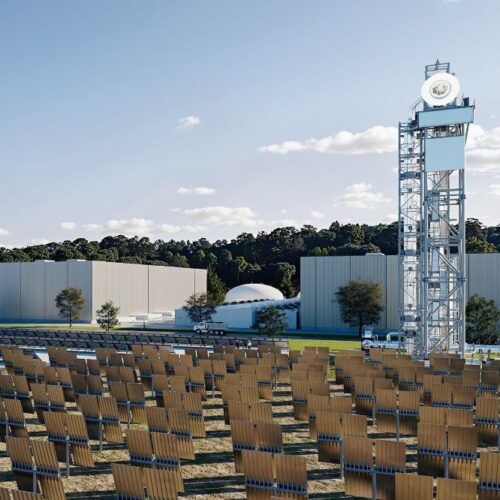
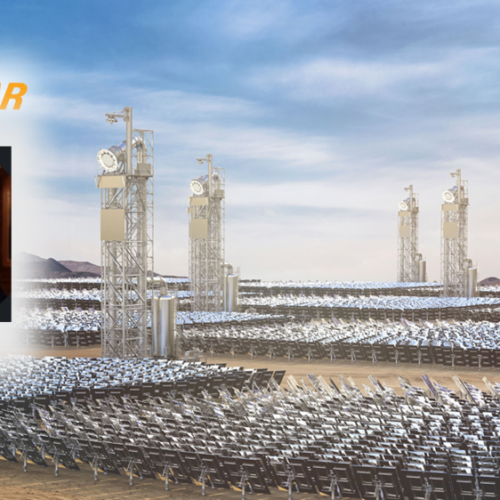
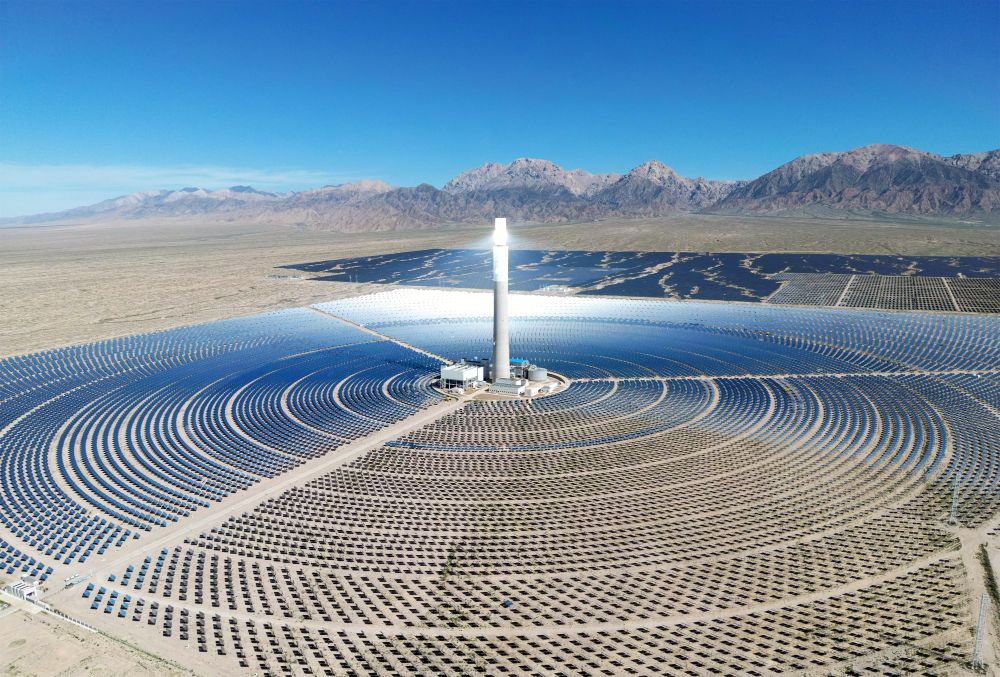
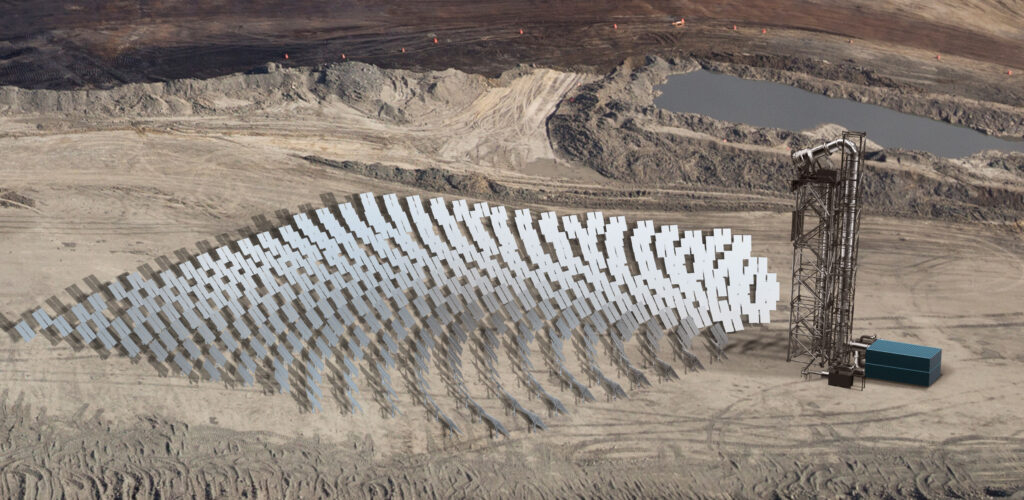
Concentrated solar thermal power with long-duration thermal storage approaches the problem differently. It captures and stores sunlight as heat instead of electricity and then supplies both as needed from the same plant.
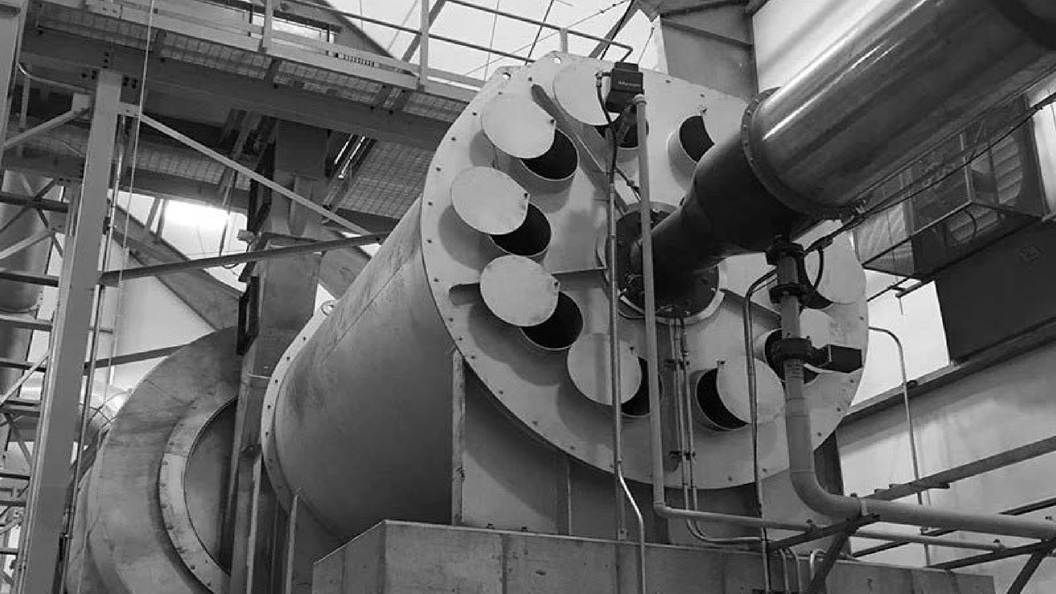
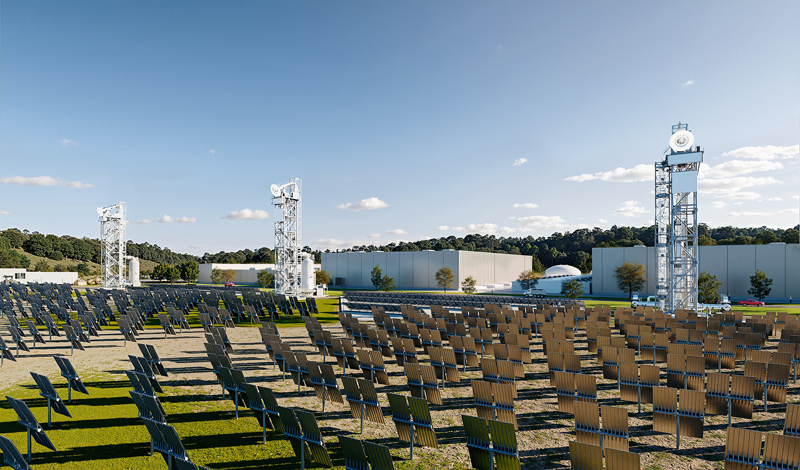
247Solar’s Industrial Solar Thermal solutions capture solar energy at 970°C and store it for up to 20 hours in inexpensive solid media. Ultra-hot air drives proprietary turbines that produce electricity without combustion or emissions under normal conditions, with capacity factors approaching 85%. The same turbines retain the ability to burn almost any locally available fuel for occasional backup, delivering round-the-clock dispatchability and eliminating the need for gensets.
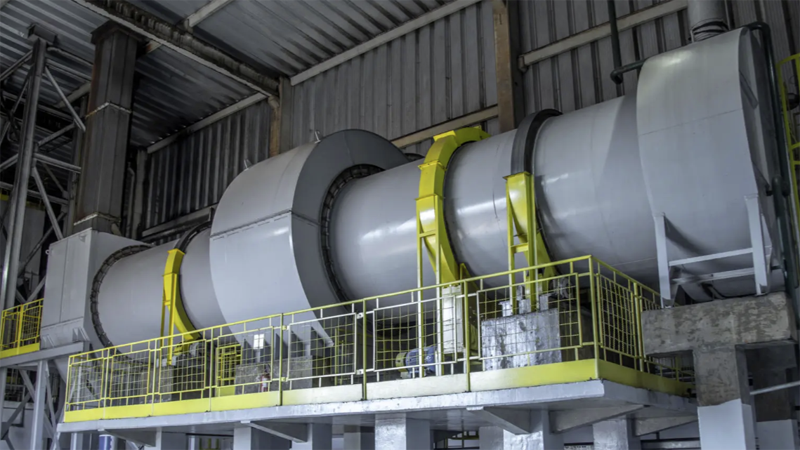
For minerals processing, the turbines’ exhaust at around 250°C can feed dryers or other lower-temperature processes directly, replacing fuel-fired equipment.
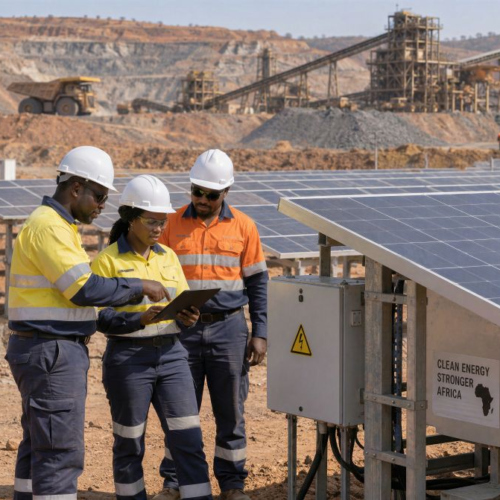
The systems are modular, scalable, and factory-produced, so capacity can grow with a mine or processing hub as it expands. For a Copperbelt refinery or a Mozambican graphite plant, that means firm power and usable heat on site, free of drought-hit hydropower, diesel prices and coal emissions.
Energy as Industrial Infrastructure
RiA concludes that the countries best placed to capture mineral value “will not necessarily be those with the largest deposits,” but those best able to combine resources with power, infrastructure, skills and finance. Power is the base those other capabilities depend on. Africa’s processing ambitions need electricity and heat that is clean, reliable and economical. Round-the-clock solar thermal is the final piece that enables renewables to deliver all three.
Contact us to learn more.
ROUND-THE-CLOCK CLEAN HEAT AND POWER FOR MINES WITH NO ADDITIONAL CAPITAL COST
247Solar builds, owns and operates our hybrid solutions and sells round-the-clock clean heat and power on a PPA basis. Mines pay only for the energy they use with no additional capital cost and no risk.
We remove the burden of ownership by assuming all responsibility for operations, maintenance, insurance and repair. We guarantee energy delivery – redundant systems ensure reliability and eliminate the need for gensets.
Here’s what that means for miners:
- Reduced energy costs by 25% or more
- Stable, predictable energy prices for decades
- Lower operating costs per ton
- Increased competitiveness
- Longer life-of-mine
Get in touch to learn more
BEYOND ESKOM: SOUTH AFRICA’S MINERS ARE GOING RENEWABLE
Wirestock Creators/Shutterstock
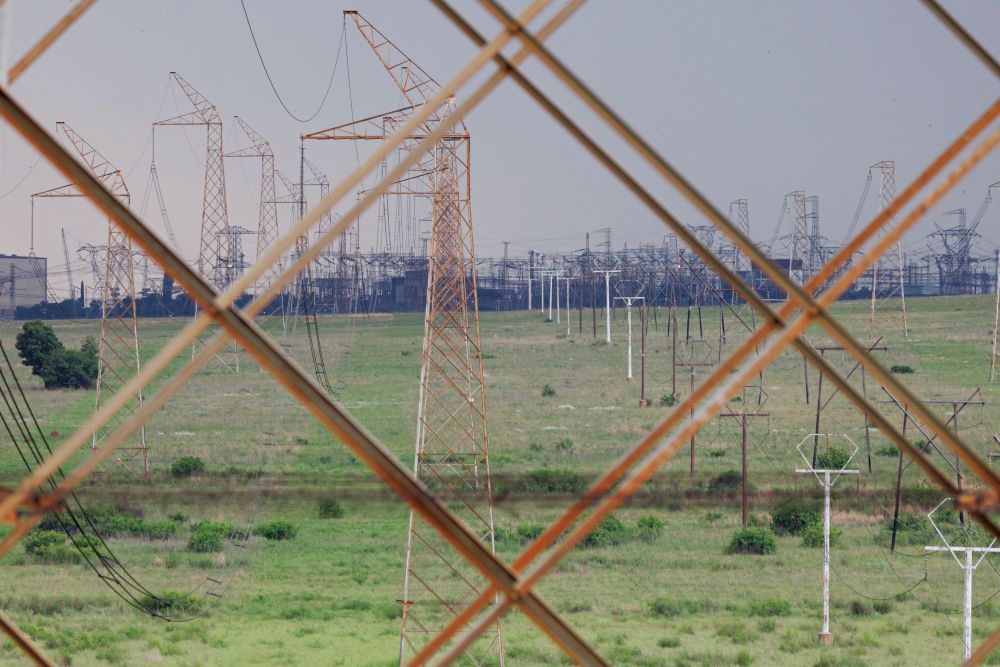
Reuters reports that South Africa’s mining firms are accelerating investment in renewable energy as they seek to diversify power sources, cut costs and meet decarbonization targets. These moves are also a deliberate strategy to reduce the mines’ reliance on state utility, Eskom, which has a checkered history of rate volatility and unreliable supply. Still, South Africa’s miners expect Eskom to continue supplying their baseload power for years to come. That may hold in the short to medium term, but the expectation rests on the limits of short-duration batteries. Solar thermal plants that pair long-duration storage with fuel backup can already deliver firm, round-the-clock power. They could let mines move to self-generation faster than their own plans assume.
The move away from Eskom is already well under way. Per Reuters, Sibanye Stillwater relied on Eskom for about 99% of its platinum group metals energy last year. It has since contracted 835 MW of renewable capacity and expects renewables to meet about 64% of its South African demand by the end of 2028. Anglo American’s joint venture with EDF power solutions, Envusa Energy, generates 520 MW of wind and solar, about 30% of Anglo’s mine energy use, and targets 3,000 MW by 2030. Exxaro’s 68 MW solar plant at Grootegeluk has cut that mine’s grid reliance by 30%, saving about 100 million rand ($6.25 million) a year. Envusa and Sibanye both put renewable power at 20% to 30% below Eskom tariffs.
What keeps Eskom in the picture is storage. Sibanye CEO Richard Stewart told Reuters that “renewables are intermittent by nature, battery storage technology is still developing, and Eskom supplies essential baseload power.” Exxaro CEO Ben Magara said “you still need a baseload of coal when you don’t have wind or solar.” The concern is fair for batteries. The U.S. National Laboratory of the Rockies (formerly NREL) reports that storage lasting more than four hours makes up less than 10% of U.S. capacity deployed since 2010. A few hours of storage cannot carry a mine through the night, let alone a run of cloudy days.
Long-duration thermal storage closes that gap. Instead of storing electricity, it stores solar energy as heat. High-temperature solar thermal systems like 247Solar’s capture solar heat at temperatures of nearly 1000°C and store it for up to 20 hours. The heat drives turbines that can also burn locally available fuel for backup as needed. That combination delivers 100% uptime with solar capacity factors approaching 85%. The same plant can also supply process heat for mineral processing.
Eskom will stay in the mix while these assets are built. But miners who plan around grid-supplied baseload may be underestimating how soon firm, self-generated clean power will be available. Those who plan for it now will be first to step away.
Read more…
THE REVENUE CASE FOR CLEAN ENERGY AT THE MINE
 Miners that clean up their on-site power and heat are doing more than cutting costs. They are positioning their metal to earn more and to stay on the supplier lists of the buyers that matter most. The evidence is early, but it points one way.
Start with price. In August, Fastmarkets launched the first European benchmark for low-carbon copper cathode, covering metal produced at no more than 1.5 tCO2e per tonne across Scopes 1 to 3. On launch day it assessed the low-carbon combined premium at $315–411 per tonne, against $270–300 for standard cathode delivered to Germany, a spread of $45–111 per tonne. In a September briefing, Fastmarkets said cathode with exceptionally low emissions can trade more than $100 per tonne above conventional material.
Next, look at where the emissions come from. RMI’s September copper report finds that mine-site activities (mining, concentration and SX-EW cathode production) account for more than 60% of emissions from mine to semi-fabrication. Citing IFC estimates, RMI says decarbonizing mine-site electricity alone could cut mine-to-cathode emissions intensity by about 41%, and it lists renewable or electrified process heat as additional opportunities. The decisions that put a mine above or below the low-carbon line are mostly energy decisions made on site.
Buyers are starting to act. In an RMI-facilitated pilot, Amazon Web Services bought and retired certificates tied to lower-emissions copper from BHP’s Escondida mine in Chile. Fastmarkets reports that in February, Trafigura completed the first sale of low-carbon copper anodes from the DRC’s Kamoa-Kakula operation to Aurubis. Aurubis says the strongest interest comes from automakers, the energy sector and data centers. Cable maker NKT says grid operators in Northern and Western Europe are among the most active adopters.
Aluminium shows where this can lead. Fastmarkets has assessed a low-carbon aluminium premium since 2021. Hydro has signed a five-year deal to supply Nexans with 85,000 tonnes of low-carbon wire rod made with renewable power. Mercedes-Benz is expanding its use of Hydro’s REDUXA aluminium, whose footprint is more than 70% below the global average.
The premium is not guaranteed. A Fastmarkets commentary in Eurometal found low-carbon premiums are “selective” and paid mainly where regulation or customer mandates require them, and expects the gap to narrow as cleaner supply becomes common. That narrowing strengthens the argument. As low-carbon metal becomes the norm, the reward shifts from a premium to market access. SMM notes that copper without reliable carbon data “may face higher verification costs or procurement restrictions.” Today, clean power and heat on site can earn a miner a premium. Tomorrow, the same investment may be what keeps its metal in the market at all.
FOLLOW & JOIN 247Solar
LinkedIn US, LinkedinEU, Twitter, YouTube
Contact: info@247solar.com